Japan's automaker association says its 14 members will standardise some materials and parts, starting with steel, resin and wire harnesses. The target is a supply base that builds about 70,000 harness variants, and the lesson reaches well beyond Japanese car plants.
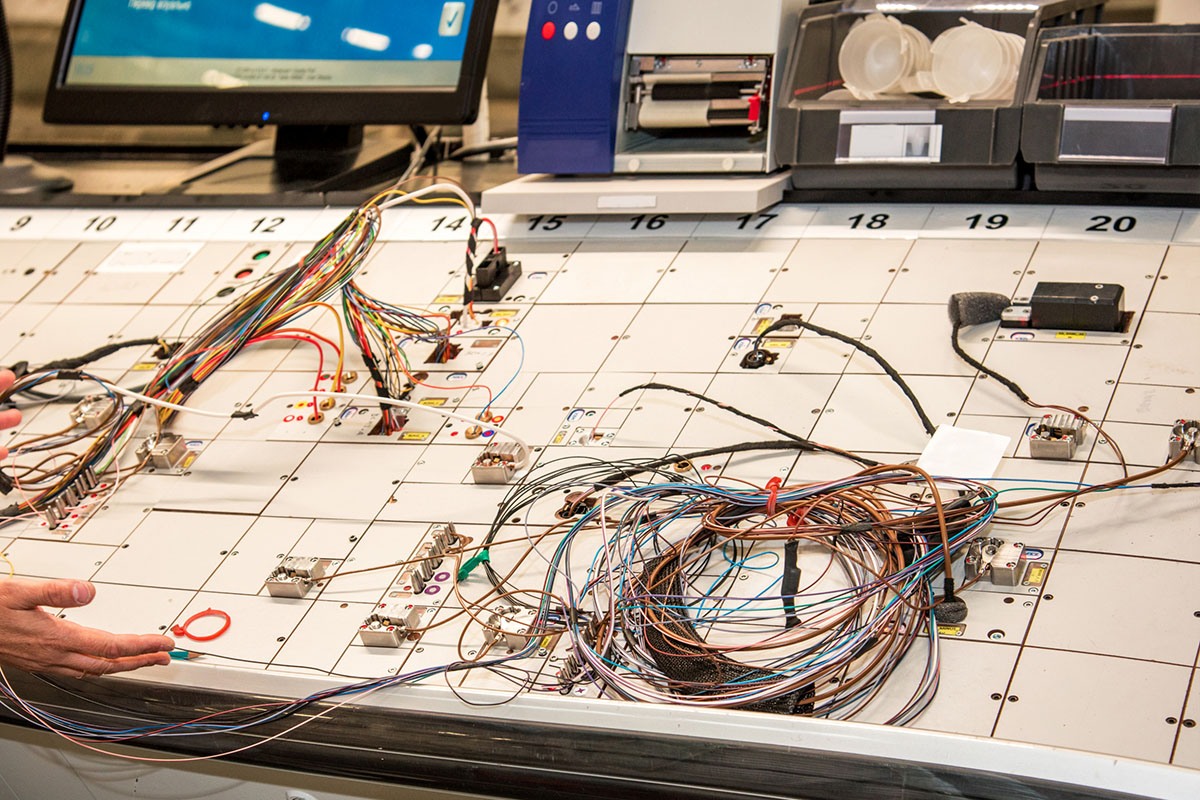
Nobody buys a car for its wiring. Yet the bundle of cables that carries power and signals around a vehicle is one of the most labour-intensive parts in it, and Japan's suppliers currently make tens of thousands of versions of it because every carmaker specifies its own. Last week the country's carmakers said they would stop doing that. The decision is about cost and competition with China, but the problem it targets, variety that adds no value to the customer and blocks automation on the supplier's floor, exists in almost every plant that buys engineered components.
According to Jiji Press, the Japan Automobile Manufacturers Association (JAMA) announced at a press conference in Tokyo on November 19 that it will standardise some of the materials and parts used by its 14 member companies. Steel, resin and wire harnesses come first. The stated aim is to lower procurement costs and free up money for developing next-generation vehicles and new technologies, with members cooperating beyond their usual corporate boundaries as Chinese start-ups become more prominent. JAMA chairman Koji Sato, who is also vice chairman of Toyota Motor Corp., said the association would "lay the foundation for the auto industry to remain a key industry in Japan."
The same report, carried by Nippon.com, notes that steel and resin are used extensively in vehicle bodies, so lowering their cost would have a significant effect on the carmakers' business. Neither report gives an implementation date or a savings figure. Those gaps matter: an announcement of intent is not yet a specification a supplier can quote against.
The case for starting with harnesses was laid out in July, when Sato first pressed the idea publicly. CarExpert's report of his interview with Automotive News says Japanese suppliers make about 70,000 wiring harness variants, which makes automation difficult. Sato estimated that standardising essential components such as harnesses, steel grades and resin specifications could raise productivity tenfold and make recycling easier. He also cautioned that standard specifications may take one to two years to finalise, and that carmakers can only roll them out with their next generation of vehicles.
That last point is the one operations teams should hold on to. A common specification does not change any part already designed into a running model. The benefit arrives one programme at a time, which means the supplier base will run old and new specifications side by side for years, and the spare parts for today's variants will need supporting long after production moves on.
Nissan's chief executive, Ivan Espinosa, backed the idea in the same coverage, saying: "We have a big opportunity to start sharing critical commodities, at least having a common spec on certain things." He also floated certifying suppliers for shared use across carmakers. The scope is deliberately narrow. As Automotive Manufacturing Solutions reports, the proposal covers unseen components, wiring harnesses, hoses, connectors, certain plastics and steel grades, while vehicle designs, platforms, styling and interiors stay brand-specific and mergers are not part of the plan.
The urgency comes from the market. The same Automotive Manufacturing Solutions report cites European Automobile Manufacturers' Association figures showing Chinese brands sold 138,140 vehicles in Europe in May 2026 against 130,424 for Japanese brands. In the first half of the year Toyota's sales in China fell 17% and Honda's fell 35%, and Honda reported a net loss of about ¥423.9 billion for the year to March, its first annual loss since listing in 1957. Sato's message to suppliers at their annual meeting in March was blunt: "Unless things change, we will not survive."
The report also flags the hard part. Getting seven manufacturers with different engineering cultures and supplier relationships to agree, and then getting suppliers to retool, is a large coordination task. The precedents it cites, such as Volkswagen's shared MQB platform and the Toyota and BMW sports car partnership, were arrangements within one group or between two companies, not agreements spanning seven direct competitors.
Few plants can convene their whole industry. Most can look at the variety they create themselves, in the specifications they send suppliers and the parts they stock to keep machines running.
JAMA has set a direction, not a deadline, and much can stall between a press conference and a released specification. The underlying arithmetic is not in doubt, though. Seventy thousand versions of one unseen part is a cost that every buyer pays and no end customer values, and most plants have a smaller version of the same problem hiding in their own parts lists.


Report
Sato's tenfold productivity estimate only holds if harness makers can automate work that 70,000 variants keep manual today. This annual report shows what separates the plants getting measurable returns from automation from those still building the case.
Download

Guide
Common specs arrive with new models, so every legacy harness and connector variant still has to be stocked and serviced for years. This guide covers how service leaders keep parts availability high while carrying that kind of long tail.
Download

Guide
Finding which processes in your own plant stay manual mainly because of product variety is a capability-gap exercise. This framework helps turn that audit into a roadmap that ties variant reduction to the automation you plan to fund.
Download