Memory makers are pulling capacity away from the older chips that industrial controls depend on, just as a generation of PLCs and I/O moves to spare-parts-only status. For plants running legacy automation, the spares shelf has become a supply chain risk.
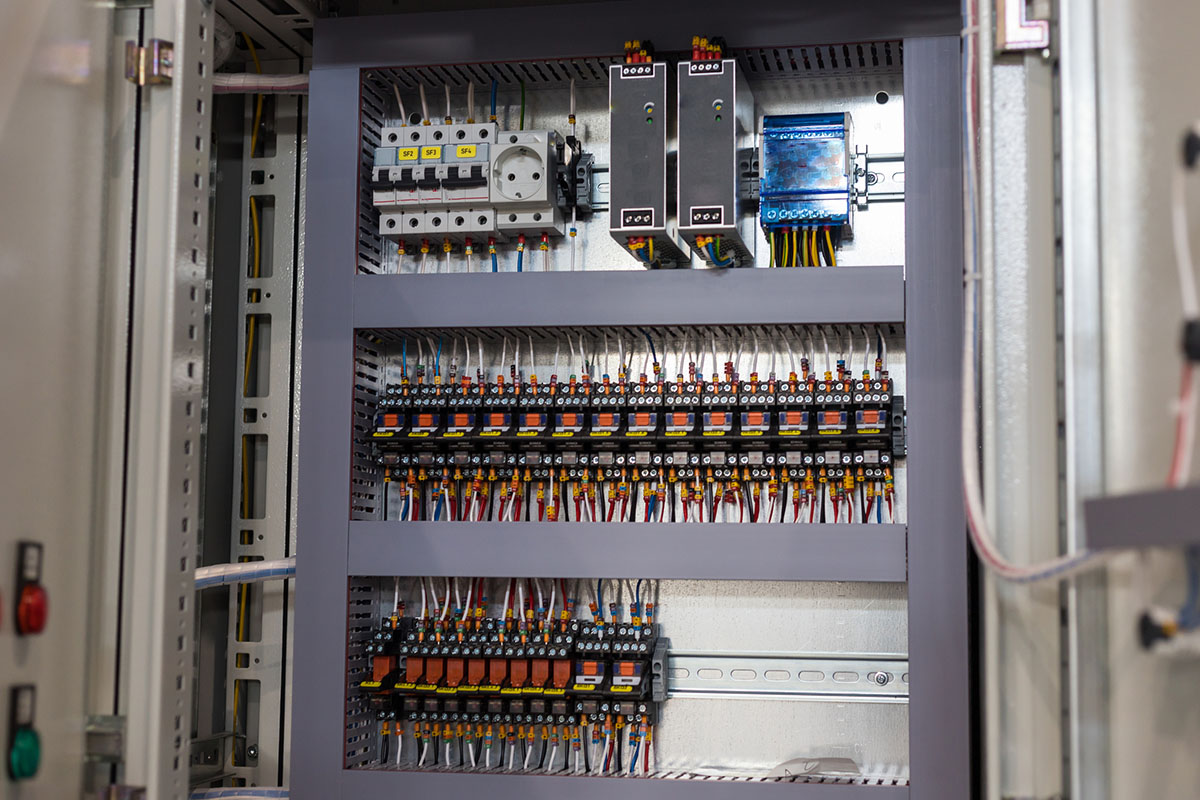
Most plant supply chain plans stop at the raw materials dock. The components that decide whether a line runs at all, the controllers, I/O cards and operator panels in the cabinet, are usually treated as a maintenance concern and bought when something fails. Two forces now make that habit expensive. The memory chips inside industrial electronics are being rationed in favour of AI data centres, and several of the most widely installed control platforms have moved into their final years of spares support.
Industrial controllers rarely use the latest memory. They are designed around mature, low-density parts that stay in production for years, which is exactly the segment suppliers are now deprioritising. In a June 22 market update, TrendForce said the three major DRAM suppliers continue to prioritise advanced-node production for HBM and server DRAM, squeezing the output of older generations. It forecast that DDR2 contract prices would rise by roughly 55 to 60% in the second quarter, followed by a further 35 to 40% in the third.
The squeeze is cascading down the product generations. TrendForce reported that certain DDR3-based products are being redesigned to use DDR2 as buyers chase more reliable allocations, while Winbond is gradually reducing its DDR2 output in favour of higher-margin lines. The broader market is not easing either: the firm's third-quarter price forecast has conventional DRAM contract prices rising 13 to 18% quarter on quarter and NAND Flash 10 to 15%.
Automation vendors are feeling it. On Rockwell Automation's fiscal third-quarter earnings call on August 4, chief financial officer Christian Rothe said data centre demand "is impacting a number of things, memory being the biggest one." He described the company's first priority as "let's make sure we can ship product," and said that on the cost side "inflation continues to be an item that is a growing headwind for us," rising from a single-digit millions headwind in the first quarter to a double-digit million one in the second half. Rockwell expects about 250 basis points of price realisation this fiscal year, roughly 100 of them from tariff-related pricing.
Rockwell says its supply chain team has kept product flowing. The cost, however, travels down the chain to the plants that buy the hardware.
The memory squeeze arrives as a large slice of the world's installed controls reaches the end of its commercial life. Siemens took its SIMATIC S7-300 and ET 200M range through the formal discontinuation milestone on October 1, 2025, according to a phase-out summary from Classic Automation. New production has stopped, parts are now offered only as spares or through repair and exchange, and spares are due to remain available until at least October 1, 2033. Beyond that date, Siemens recommends migrating to the S7-1500, S7-1200 or ET 200SP HA families.
The German service provider Eichler counts more than 267 assemblies that are now available only as spare parts, and says that, as in similar cases, Siemens will significantly increase spare part prices to cover the extra storage, production and logistics effort of discontinued products, which will be offered only in limited quantities. Its advice to operators is blunt: analyse the installed systems and plan demand for the coming years.
Rockwell's own catalogue shows the same clock ticking on older Allen-Bradley hardware. The SLC 500 EtherNet/IP adapter, a common bridge for connecting legacy SLC racks to modern networks, carries an End of Life status and will be discontinued and no longer available for sale from February 15, 2027.
None of this means a plant's S7-300 or SLC rack stops working. It means that the next failed CPU or I/O card is bought in a shrinking, more expensive market, at the same moment the chips inside new replacement hardware are rising in price.
Downtime has become rarer and costlier at the same time. Siemens' True Cost of Downtime 2024 report found that large plants now suffer 25 unplanned downtime incidents a month, down from 42 in 2019, and lose 27 hours a month, down from 39. Yet the 500 biggest companies still lose about $1.4 trillion a year to unplanned downtime, equal to 11% of their revenues, and an idle line in a major automotive plant can cost up to $2.3 million an hour.
That arithmetic changes how a spare controller should be valued. When incidents are infrequent but each hour is expensive, the lead time on a single I/O module can matter more than its price. A card that once arrived overnight from a distributor may now mean a hunt through the refurbished market, a repair queue, or an emergency migration nobody budgeted for.
Rockwell's CEO Blake Moret noted on the same call that "tariffs and geopolitical uncertainty continue to delay large greenfield projects," while modernisation spending remains strong. For most operations teams, that is the realistic path: not a new plant with new controls, but a deliberate programme to retire the riskiest legacy hardware before a failure forces the decision.
The response does not require a site-wide controls overhaul. It requires treating the control cabinet with the same supply discipline already applied to critical raw materials.
For years, a spare PLC was the cheapest insurance a plant could buy. The memory market and the lifecycle calendar are now pricing that insurance up together. Plants that inventory their control hardware as carefully as their raw materials will see the risk coming. The rest are likely to discover it when a single card fails and the replacement is weeks away.


Guide
Migrating off an S7-300 or SLC-era controller is the moment to ask whether the SCADA layer above it faces the same obsolescence clock. This guide sets out what a modern platform changes about visibility and long-term support costs.
Download

Guide
For machine builders, rising memory costs and discontinued components are forcing a rethink of what legacy spares should cost. This guide explains how data-driven parts pricing protects margin without alienating the plants that depend on those parts.
Download

Guide
Deciding which legacy spares to stock depends on knowing which assets actually stop the line. This guide shows how frontline teams capture real-time downtime data that turns that decision from guesswork into evidence.
Download