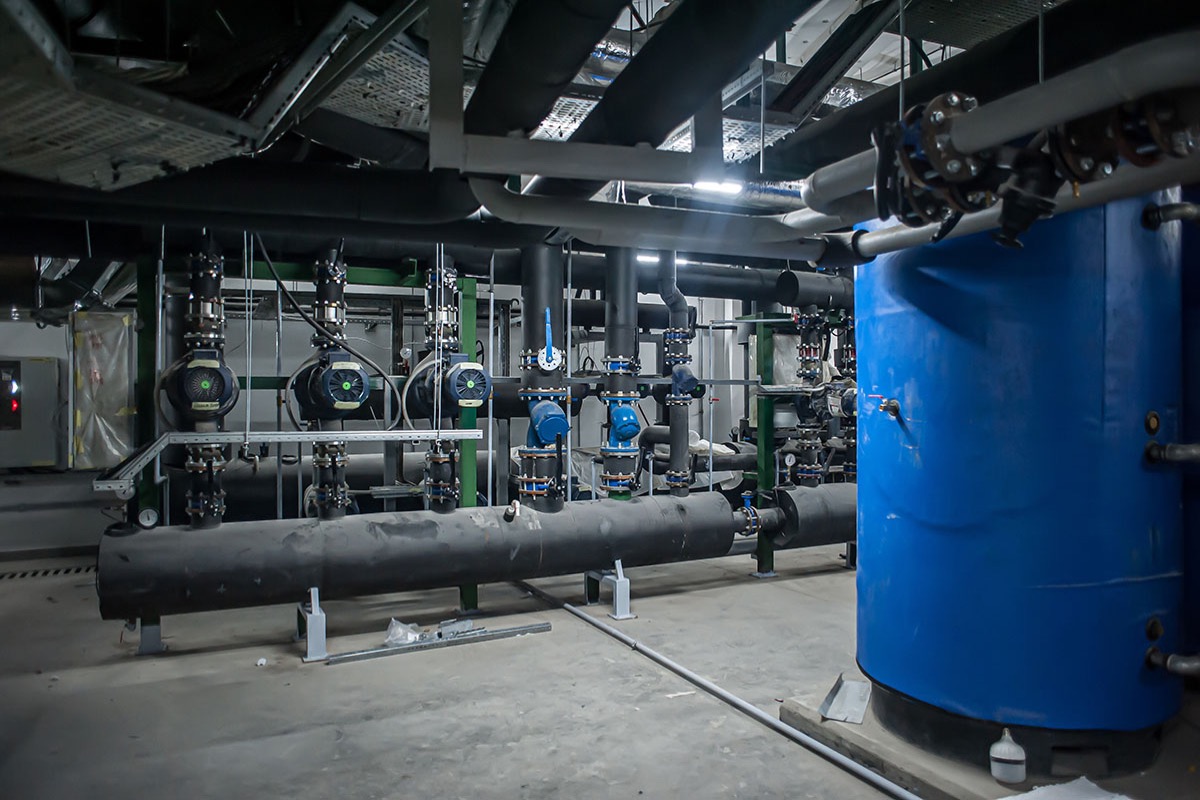
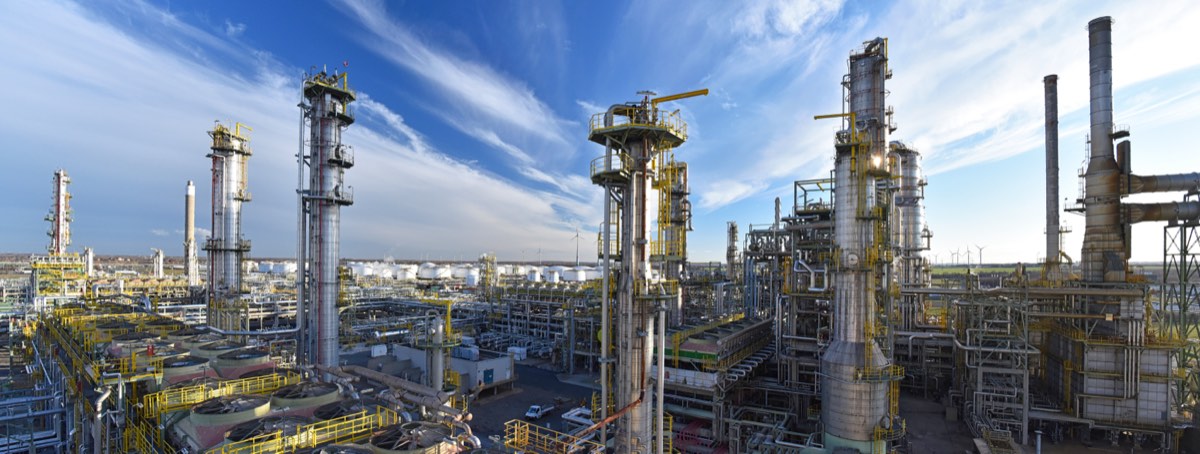
Beijing has not said whether it will renew the suspension of its October 2025 export controls. The licensing regime for heavy rare earths never paused at all, and most of its consequences land inside motors, drives and robots rather than on a purchasing spreadsheet.
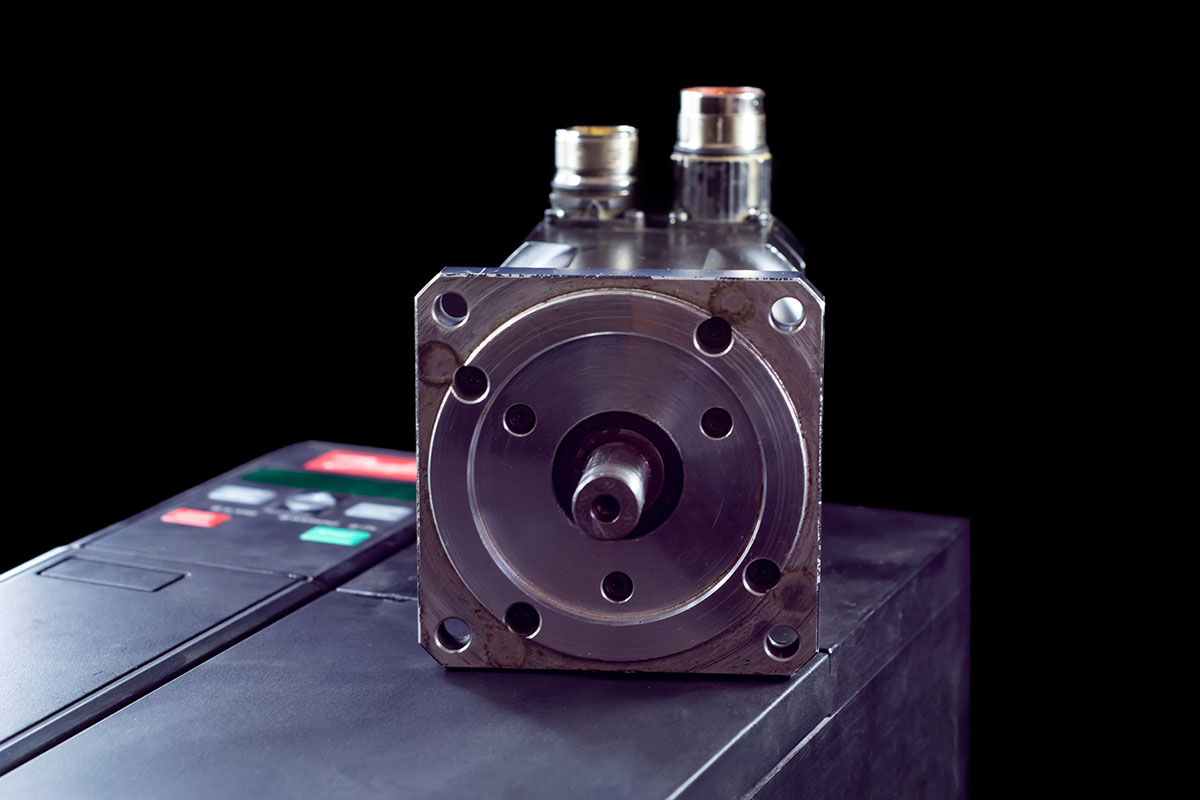
Most of the attention on November 10 has come from chipmakers, carmakers and defence contractors, and the coverage has been written for them. For plant operators the date matters for a less obvious reason. The magnets at the centre of this dispute are not only in electric vehicles and guidance systems. They sit inside the servo motors, drives and robot joints that keep a modern line moving, and many plants cannot say with any confidence how many of those they rely on, who made them, or where the magnets inside them came from.
The rules in question date from October 9, 2025, when Beijing added five rare earth elements, including erbium, holmium and europium, to its controls and proposed requiring approval for any product containing at least 0.1% Chinese-origin rare earth material by value. As Startup Fortune reported on October 20, that suspension lapses on November 10, 2026, and the Ministry of Commerce can reactivate the paused rules from that date. Washington and Beijing have extended their broader trade truce to January 10, 2027, but the ministry's confirmation on September 28 did not mention the rare earth suspension by name, and Beijing has offered nothing firmer than a case-by-case promise.
Law firm Clark Hill's analysis of the suspension sets out what the pause did and did not cover. Announcement No. 70, issued on November 7, 2025, put six of the October directives on hold, including the extraterritorial licensing obligation for foreign-made products with Chinese-origin rare earth content. It did not touch Announcement 18 of 2025, which added seven medium and heavy rare earths to the control list: samarium, gadolinium, terbium, dysprosium, lutetium, scandium and yttrium. That regime, Clark Hill notes, "has not been suspended." Dysprosium and terbium are the elements that let permanent magnets hold their strength at high temperature, so the licensing that matters most to motor supply has been in force throughout the truce.
On the face of it, supply is improving. According to Shanghai Metals Market, China exported 6,165.12 tonnes of rare earth permanent magnets in September, up 23% on August and 6.7% on a year earlier, the highest single month of 2026. Exports for January to September reached 48,055 tonnes, up 20% year on year.
SMM's own explanation is less reassuring. It attributes the jump mainly to shipments held at ports in July and August by tighter export licensing, released in a batch once the bottleneck eased, and describes it as backlog clearance rather than a rise in demand. The easing it describes is procedural, within the existing framework, not a loosening of controls. Larger producers with traceable client bases recovered fastest, while smaller mills still face longer reviews, and SMM expects shipments to fall back to about 5,700 tonnes a month in the fourth quarter. A buyer who read September as proof that the squeeze was over would be reading a one-off release.
The sharper warning comes from Japan, which has spent more than a decade trying to reduce its reliance on Chinese rare earths. 24/7 Wall St., summarising a Financial Times report from October 20, says Japan has told Washington it is "months" from running out of yttrium and has asked for help pressing China to ease its curbs. US yttrium oxide imports fell to zero in May and June 2026, and the United States has no fully commercial plant to separate or refine the element. Yttrium is not a magnet material, but it is on the same unsuspended list as dysprosium and terbium, and its case shows how quickly a licensed element can stop arriving altogether.
The difficulty for operations teams is that rare earth exposure almost never appears on a plant's own purchase orders. Nobody on the floor buys dysprosium. They buy a servo motor, a variable speed drive, a robot or a packaged machine from an OEM, who bought the motor from a supplier, who bought the magnet from a mill that may or may not be in China. The 0.1% threshold in the suspended rules was designed to follow material through exactly that chain, which is why its reactivation would matter even to companies that have never imported a raw rare earth in their lives.
The exposure also sits on the maintenance side of the ledger, not just the capital side. A new line can be specified around a different motor design. A line that is already running depends on replacements matching what is installed, and a failed servo on a critical axis is not a part most plants can substitute at short notice. Clark Hill's recommendations to supply chain managers start in the same place: map Chinese-origin inputs, review supplier declarations, and document product classifications under both US and Chinese control lists. It also suggests applying for general licences now, while the review environment is more favourable, and preparing for possible tightening in late 2026. Startup Fortune reports that China has begun issuing year-long general licences, with the European Union as a test case, though applications linked to defence or sensitive technology face tougher scrutiny.
None of this requires a plant to predict what Beijing will do on November 10. It requires knowing, before that date, which assets would be hardest to keep running if replacement motors and drives took months rather than weeks to arrive.


Guide
If replacement servo motors and drives start taking months to arrive, spares stocking becomes the decision that keeps installed lines running, and this guide works through the inventory and pricing choices service leaders face along the way.
Download

Report
Getting a credible answer to the 0.1% question means asking suppliers for declarations they have never had to give, and this report looks at how supply chain risk programmes are being redesigned to collect that kind of evidence.
Download

Guide
A register of magnet-dependent motors and drives is only quick to build if the plant already knows what is installed where, and this guide's maturity framework helps find the visibility gaps that turn that audit into a month.
Download