Tariff classifications, country-of-origin rules, and exemption programs are changing faster than most trade compliance functions can track. Here is a practical framework for staying ahead of the risk.

Key Takeaways
Trade compliance has always been a specialised function. What has changed in the past four years is the velocity of change in the rules themselves. Tariff schedules that were stable for a decade have been revised multiple times. Country-of-origin determinations that were settled regulatory questions have been reopened by rulemaking and litigation. Exemption programmes have been created, modified, and rescinded within single fiscal years. The result is a compliance environment where 41% of operations teams surveyed by the American Association of Exporters and Importers reported a material tariff violation in the past 24 months: not from wilful non-compliance, but from classification and origin determinations that were correct when made and wrong by the time shipments cleared.
The most frequent source of tariff classification error is the assignment of Harmonised Tariff Schedule codes to products without a systematic review process for updates. HTS codes change regularly, both through scheduled annual revisions and through binding ruling decisions issued by Customs and Border Protection. Many operations teams assign HTS codes during product setup and do not revisit them unless a shipment is questioned at the border. In a stable tariff environment, that approach carries moderate risk. In the current environment, where Section 301 tariff lists, Section 232 actions, and anti-dumping order modifications can materially change the duty rate on a given HTS code with limited notice, it carries significant exposure. A component classified correctly in 2023 may be subject to an additional 25% duty as of 2025, with the organisation unaware because no one reviewed the code against the current tariff schedule after the initial setup.
The second source is country-of-origin misclassification, which is particularly acute for products with multi-country supply chains. The legal standard for country-of-origin determination in the United States is substantial transformation: the country of origin is the country where the article underwent the last substantial transformation that gives it its essential character. That standard is straightforward in theory and difficult in practice. CBP has issued inconsistent guidance on substantial transformation across product categories, and the introduction of value-add threshold rules under various free trade agreements adds a parallel analytical framework that sometimes conflicts with the substantial transformation analysis. Operations teams that rely on supplier-provided certificates of origin without independent verification are exposed to violations that originate upstream in the supply chain and land with the importer of record.
The third source is missed updates to exemption programme eligibility. The Section 301 exclusion process, the Generalised System of Preferences programme, and various product-specific exclusions have all experienced significant volatility. Organisations that qualified for exclusions and built their landed cost models around reduced duty rates have, in multiple instances, continued claiming those exclusions after eligibility lapsed, creating retroactive liability that is compounded by interest and potential penalties. Monitoring exemption status requires a dedicated process; it cannot be managed as an incidental task within a broader procurement function.
The starting point for any organisation that has not conducted a formal tariff exposure audit in the past 18 months is a retrospective review covering all imported goods in the prior 24 months. The audit has two objectives: identify classifications that may be incorrect under current rules, and identify periods where duty payments were potentially insufficient due to misclassification or lapsed exclusion claims. The second objective is the more commercially significant one. If the audit surfaces underpaid duties, voluntary prior disclosure to CBP reduces penalty exposure substantially, with reductions typically in the range of 50 to 75% of what would apply to violations discovered through CBP audit. The disclosure process requires legal coordination, but the economics are clear: self-identified corrections are materially less costly than examinations.
"Operations teams often think of tariff compliance as a customs issue that sits in the trade function. The violations we see most often originate in procurement decisions: supplier changes, product modifications, new sourcing countries. If procurement is not looping in compliance before those decisions are made, you are creating liability at the source and finding it at the border."
Christine Halvorsen, Partner and Head of Trade Compliance Practice, Whitmore & Calloway LLP
Technology tools for ongoing tariff monitoring have improved substantially and are now accessible at mid-market price points. Platforms such as Descartes, Amber Road, and several newer entrants offer automated HTS classification assistance, exemption status monitoring, and integration with customs brokerage data to flag classification discrepancies before shipments clear. The primary barrier to adoption for most mid-size operations teams is not cost or capability; it is integration with existing procurement and ERP systems. Organisations that have resolved the integration challenge report significant reductions in manual classification review time and material decreases in post-entry correction filings.
The operations teams that have reduced their tariff violation rate share a structural characteristic: they have moved trade compliance upstream into procurement decisions rather than leaving it as a downstream border clearance function. The classification errors and origin misstatements that generate violations are almost always the result of procurement actions, product changes, or supplier modifications that were taken without compliance input. The technical fixes, including better technology and more frequent classification reviews, reduce exposure at the margin. The structural fix, which is integrating compliance into procurement gate processes, is what eliminates the category of violation entirely.


Guide
Real-world frameworks from organizations that have built procurement programs capable of absorbing regulatory change without disrupting supplier relationships or operational continuity.
Download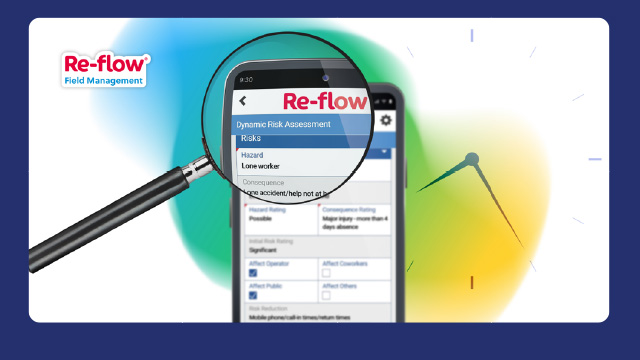

Guide
How digital field management tools create a continuous record of operational activity that keeps teams compliant and audit-ready through shifting regulatory environments.
Download

Guide
A practical guide covering the decisions and investments needed to keep service operations profitable through the market and regulatory shifts reshaping aftermarket competition.
Download

More articles coming soon
Subscribe to get every new article delivered straight to your inbox.
Subscribe →