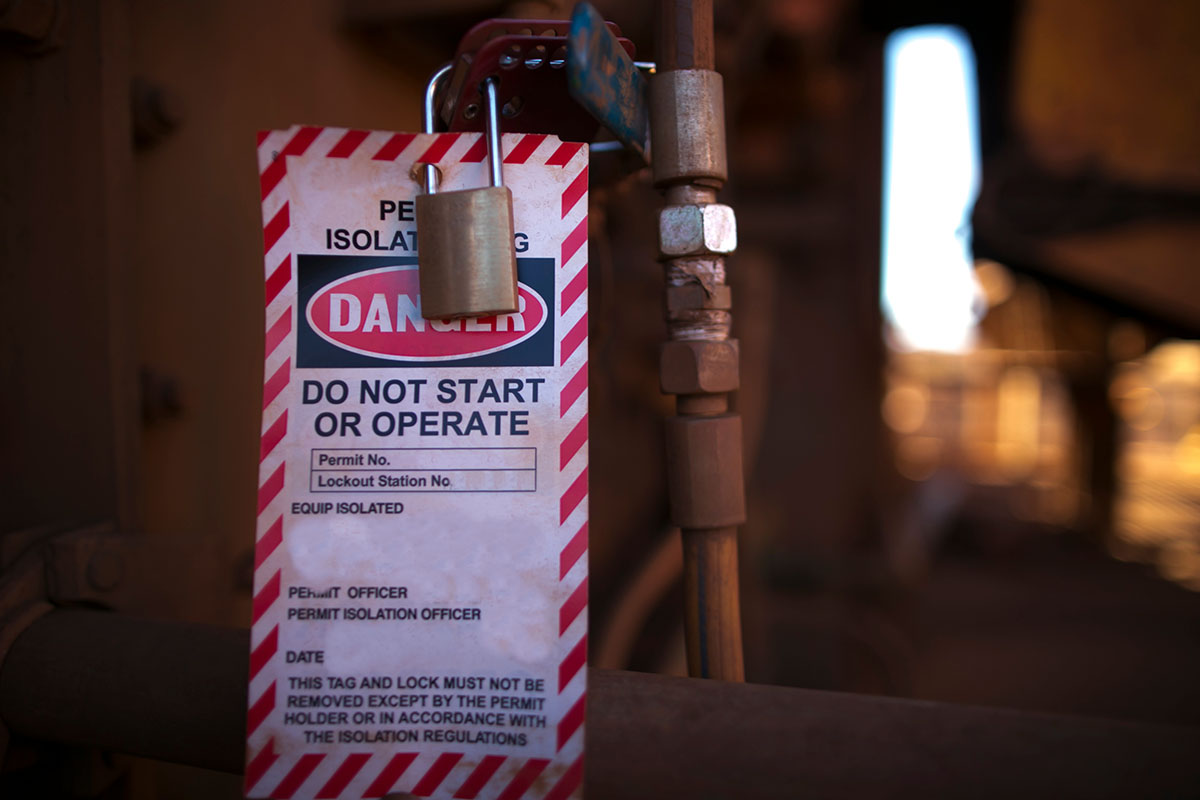
The Senate has passed a permitting overhaul that the National Association of Manufacturers says could cut manufacturers' permitting costs by 35%. Almost all of that saving comes from shorter waits. The inspections, records and reporting behind every permit stay with the plant.
For most plants, the slowest part of adding a furnace, a dryer or a new line is not the engineering or the delivery date. It is waiting for the permit. That wait may be about to get shorter. The Bipartisan American Affordability and Jobs Act, a broad overhaul of federal permitting, passed the Senate last week, and the National Association of Manufacturers expects it to clear the House with little change. If it does, the bottleneck on many capital projects moves from the regulator's desk back inside the fence, and few project plans are built for that.
The bill, S. 5653, was introduced on September 30 by the Senate Environment and Public Works and Energy and Natural Resources committees. Construction Dive reported that it advanced on a 73-25 procedural vote on November 9 and that a substitute amendment took it to nearly 500 pages. The Bipartisan Policy Center's analysis, cited in the same report, describes the substitute's changes as largely sector-specific exclusions from the National Environmental Policy Act (NEPA).
According to Manufacturing Dive, NAM says the bill modernises NEPA, expedites judicial review of permitting decisions, streamlines the Clean Water Act and gives greater permitting certainty across project types. The Office of Management and Budget issued a statement of strong support on November 9. Chris Phalen, NAM's vice president of domestic policy, said: "We are very confident going into the House." He does not expect any substantive changes there, and the House is due to take the bill up after the Thanksgiving recess.
It is not law yet. Some environmental groups say it reduces too many air and water protections and too much local oversight, and 11 tribal organisations have said it undermines tribal sovereignty and threatens sacred sites. Plants should plan for a faster process, not count on one.
NAM's permitting page, drawing on its 2026 study with the Foundation for American Innovation, puts the federal permitting bill for manufacturers at about $12 billion a year. Getting and keeping federal permits accounts for $79.5 billion over 10 years, or $7.9 billion a year. Delay and power-bill costs, from interconnection queues, grid congestion and pipeline constraints, add another $4.1 billion a year.
The figures that matter most to a plant engineer are on the same page. NAM says 73% of equipment additions require an air permit, half of respondents ranked the Clean Air Act the most burdensome regime, and approvals often top 10 months. It says 82% of facility expansions trigger Clean Water Act permits, and that manufacturing projects average 4.1 years to complete an environmental impact statement, nearly double the national average. An equipment addition that needs an air permit is often waiting longer on paperwork than on the equipment itself.
NAM's scoring of the Senate bill shows where the relief lands. It puts the total saving at 35% of manufacturers' permitting costs, $4.2 billion a year by Manufacturing Dive's account. Of that, $3.6 billion comes out of the $4.1 billion in waiting and power-bill costs. The saving on getting and keeping permits is 8%. In other words, the bill is mostly about time. The cost of holding a permit, the monitoring, inspections, records and reports that a permit requires for as long as the equipment runs, barely moves.
Long permit queues have quietly given capital projects slack. While an application sat with the agency, there was time to finish detailed design, qualify contractors, sort out utility tie-ins and write the operating procedures. If approvals start arriving months earlier, that slack disappears, and the work that used to fit inside the wait becomes the critical path. A plant that cannot mobilise a qualified contractor crew the week a permit lands has not gained much from the reform.
The second effect is on compliance. A permit that is issued faster still carries the same conditions once the equipment runs. Many air permits limit fuel use, operating hours or emissions, and every one of those limits has to be measured, recorded and reported. A plant that adds equipment faster adds those obligations faster too. The cheapest permit is the one whose application rests on accurate data about what the existing equipment already burns and emits, because those figures shape what the plant can add without a larger review.
Few plants will need all of this at once. But a typical expansion pipeline holds several projects waiting on approvals, and the first quarter of 2027 is when many of them will be rescheduled.


Guide
If permit approvals start landing months earlier, contractor crews have to be qualified before the permit arrives, and this guide shows how organisations have made contractor qualification a planned function rather than a last-minute checkbox.
Download

Guide
NAM scores only an 8% saving on the cost of keeping permits, so the inspections and records behind each one stay with the plant, and this guide covers keeping that field evidence ready for an auditor at any hour.
Download

Guide
With an air permit needed for 73% of equipment additions, knowing exactly what each existing unit burns matters before a project is scoped, and this guide covers the real-time fuel and energy monitoring that produces those figures.
Download