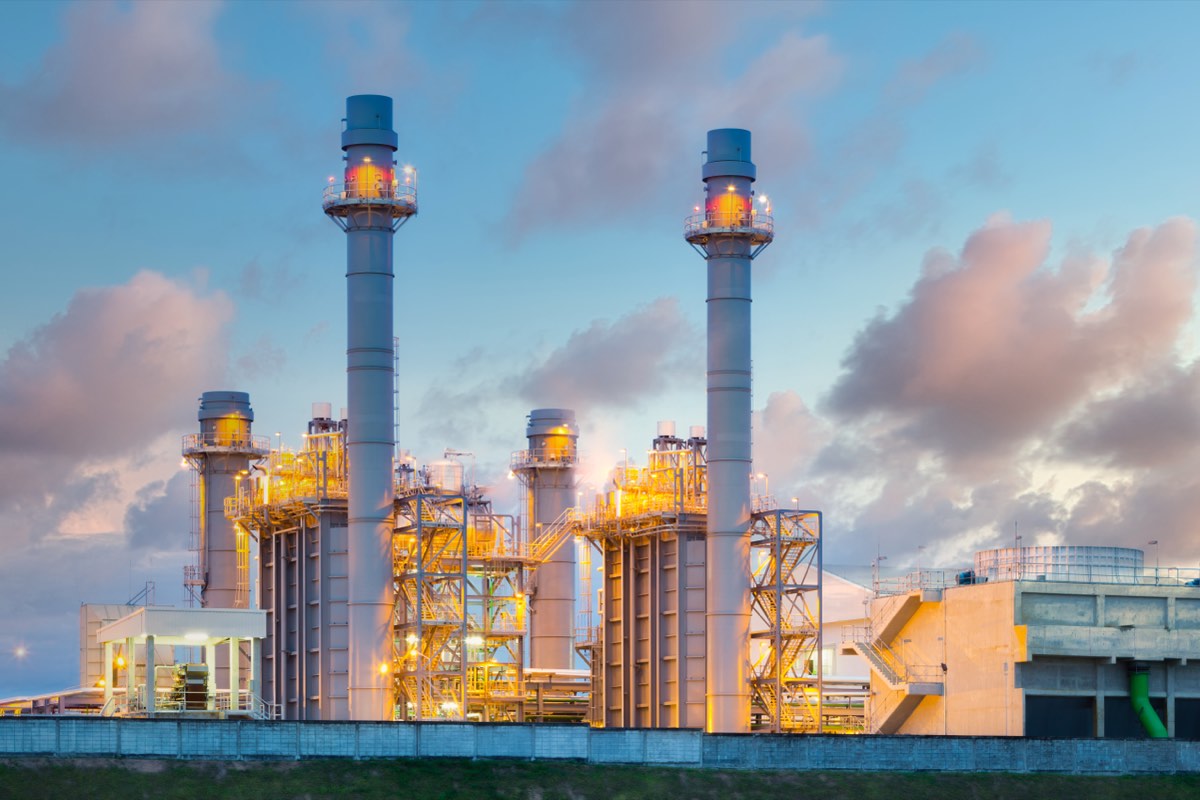
Nearly half of manufacturers expect to spend more on capital projects, yet a Fluke survey found only 12% had invested in predictive maintenance. With a single downtime incident averaging $400,000 an hour, the gap is where the return is hiding.
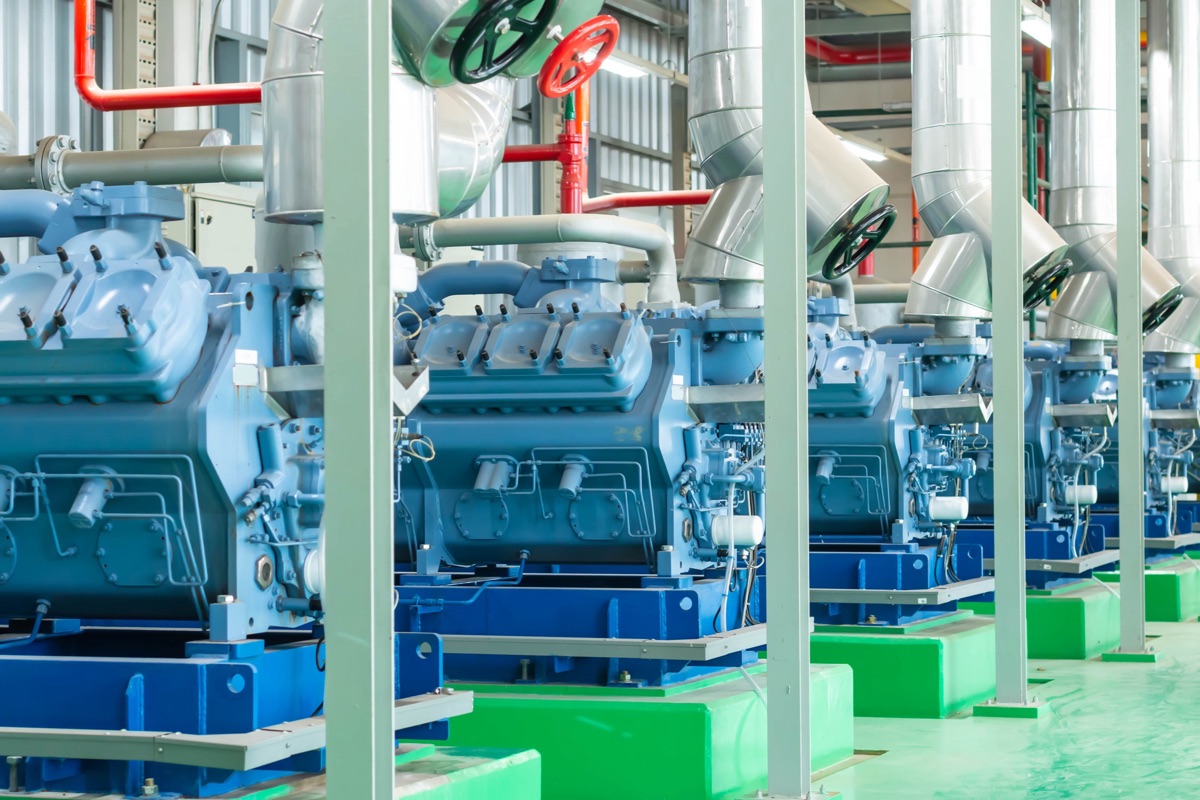
Manufacturers are loosening their purse strings. In the latest outlook survey from the National Association of Manufacturers, nearly half of respondents said they expect to spend more on capital projects over the next year. Yet the machines those plants already own keep stopping, and few companies have put money into the tools that would warn them before a stoppage. Capital is chasing new capacity while the cost of protecting existing capacity goes largely unfunded.
The NAM's third-quarter outlook survey, which ran from August 11 to 27 among 220 manufacturers and was reported by IndustrialInfo on September 14, found that firms expect capital spending to rise 2.6% over the next 12 months, with large firms forecasting 2.9%. Nearly 50% expect to spend more, up from 37.1% a quarter earlier, while 39.4% expect no change and 11.3% expect to cut. Confidence is firm: 78.9% were positive about their own company's outlook, up 4.7% on the quarter.
Costs remain the counterweight. About 90% of respondents anticipate higher raw material costs, and nearly half expect increases above 5%, although the average expected rise eased to 5% from 5.8% in the second quarter. A third (33.2%) said challenges linked to the Middle East conflict had worsened. Finance leaders are raising capex into a squeeze, which makes the choice of what to fund more consequential than the size of the budget.
A Fluke survey of more than 600 senior decision-makers and maintenance professionals across the US, UK and Germany, released on October 30, 2025, shows what the existing asset base costs to run. It found that 55% of US manufacturers had experienced unplanned downtime in the past year, with a capital impact of up to $207 million a week across US manufacturers. The average cost of a single incident came to $400,000 an hour, and at that rate the largest loss from one incident reached $13.8 million.
The incidents are frequent as well as expensive. Half of US participants reported six to ten incidents a week and 19% reported 11 to 20. While 45% said outages lasted up to 12 hours, 15% said they ran as long as 72. Against that backdrop, just 12% of respondents said they had invested in predictive maintenance and 13% in condition monitoring. Fluke Group President Parker Burke described a cycle in which downtime erodes competitiveness while too many companies rely on fragmented fixes.
The two surveys are not directly comparable. The NAM polled 220 US firms in August 2026, Fluke's sample spans three countries and was published almost a year earlier, and Fluke makes maintenance and test equipment, so its framing deserves a critical read. They still point the same way: budgets are growing, and the protective spend on assets already in service is thin.
Siemens' True Cost of Downtime 2024 research, as summarised by Acronis, found that hidden costs, including idle workforce wages, premium-priced emergency parts and contractual penalties, have driven a 62% rise in downtime costs since 2019, even as the frequency of incidents declined. For finance teams, that means the maintenance ledger understates the loss. The damage lands in labour, procurement and customer penalties, on lines that never appear in a repair invoice.
It also changes how projects should be compared. A new line adds output only if the plant around it keeps running, so every stoppage discounts the return on capital already approved. A monitoring project and an expansion project should not be judged on the same terms, but they should be judged against the same loss figure.
The answer is not to cut growth spending. It is to give the protective spend a fair hearing in the same round.
Rising capex is good news for plants that have waited years to invest. The risk is that it is spent entirely on what is new. Operations teams that put a number on their own downtime hour will find the case for protecting what they already own is easier to make than they expect.


Guide
A maintenance log rarely captures what a stoppage really costs. This guide shows how field teams turn job and workflow data into evidence a finance leader can put a number on.
Download

Guide
Unplanned downtime reaches the aftermarket as urgent parts and service calls, where hidden costs quietly erode margin. This guide covers five surprises that catch service leaders off guard and how to spot them before they erode revenue.
Download

Guide
Once capital is approved, the question is where it earns its keep. This guide sets out five ways manufacturers use AI to lift quality and cut material waste, a benchmark for weighing new spending against protecting what is already running.
Download