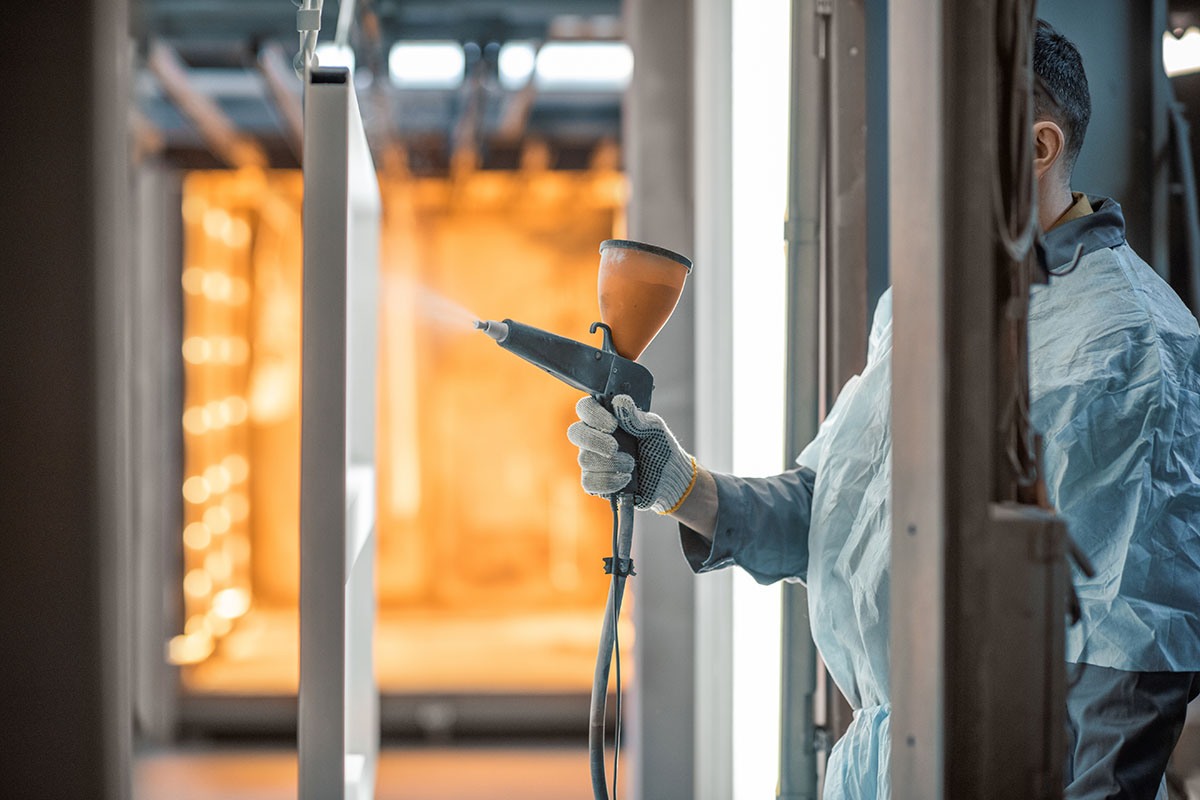
OSHA has proposed $1,640,888 in penalties against Allied Powder Coating, including three willful and 18 repeat violations, less than two years after a settlement over similar findings. The case is a lesson in the difference between closing a citation and keeping a hazard fixed.
Most plants treat an OSHA settlement as the end of a problem. The paperwork is signed, the penalty is paid, the abatement is certified, and attention moves on. A case announced this week in Houston shows why that is the moment the real risk begins. Less than two years after one metal finishing company settled a 44-item citation, federal inspectors returned, found many of the same categories of hazard, and proposed a penalty almost five times larger. For any operations leader with a closed citation in the file, the question is not whether the fix was made. It is whether it is still in place.
As Business Insurance reported on November 17, OSHA has cited Outdoor Furniture Refinishing Inc., which does business as Allied Powder Coating, after three inspections on April 10. The agency issued 40 citations: three willful violations for hazardous levels of 1,3,5-triglycidyl isocyanurate and dust during powder coating, 18 serious violations, 18 repeat violations and one other-than-serious item for unsanitary conditions. Proposed penalties total $1,640,888. The serious items span noise training, respiratory protection, hazard communication, personal protective equipment, forklifts, electrical safety and portable ladders.
The history is what makes the case instructive. In July 2024, Plant Services covered the previous round: an inspection that found 39 serious and five other-than-serious violations, with workers exposed to triglycidyl isocyanurate, arsenic, cadmium, beryllium and lead, and $338,094 in proposed penalties. The cited failures included not protecting workers from inhalation hazards, not effectively monitoring and controlling noise, and not protecting employees from harmful dust. At the time, OSHA Area Director Larissa Ipsen said employers "are required to know all dangers present in their workplace and develop procedures" to protect workers. A formal settlement followed in December 2024. Business Insurance reports that OSHA now says the company has failed to correct recurring hazards across multiple inspections dating to 2013.
Respiratory protection, noise and dust appear in both rounds. That is the signature of a programme that was abated rather than sustained: controls put in place to satisfy a settlement, then allowed to drift once the inspector stopped looking. The penalties are proposals, the company has 15 business days from receipt to comply, request an informal conference or contest them, and no finding of fact has been made. But the categories alone tell a story many plants would recognise.
The arithmetic of OSHA penalties is built to punish recurrence. The agency's 2026 penalty memo sets the maximum for a serious violation at $16,550 and the maximum for a willful or repeat violation at $165,514. The minimum for a repeat violation is $4,256, and for a willful one $11,823. There was no inflation increase this year: the memo explains that the Bureau of Labor Statistics could not produce the October 2025 consumer price data the formula requires because of the government shutdown. So the figures are flat, but the ratio is what matters. A respiratory protection gap that would draw a serious citation the first time can draw a repeat citation the second, with a ceiling ten times higher.
Nor are the categories in this case unusual. National Safety Council figures on OSHA's preliminary fiscal 2026 data, reported by Business Insurance in September, put hazard communication second on the list of most frequently cited standards with 1,961 violations, behind only general fall protection, and lockout/tagout third with 1,863. Combined violations across the top 10 fell 24.8%, from 23,537 to 17,701, and the same 10 standards appeared in both years. Fewer citations do not mean fewer hazards. The same handful of programmes keep failing, year after year, in plant after plant.
The weak point in most compliance programmes is not the first fix. It is the absence of anyone checking, months later, that the fix still holds. A respirator fit-test programme depends on new starters being tested, on cartridges being changed and on records being kept. Noise controls depend on enclosures being maintained and monitoring being repeated. Spray booth ventilation depends on filters, airflow checks and someone noticing when they slip. Each of those is a routine, and routines decay unless they are measured and owned on every shift, by every crew, including the temporary and contract workers who rotate through finishing lines.
Settled citations are also unusually well documented risks. The plant knows exactly which hazards an inspector found, which standards apply and what the agency expects to see. That makes them the cheapest risks on site to keep under control, and, as this case shows, among the most expensive to let slide.


Report
Allied's proposed penalty grew from $338,094 to $1,640,888 between inspections, and this report sets out what organisations actually lose when risk management falls short, from incident costs to regulatory penalties and reputational damage.
Download

Report
Proving that a settled hazard is still controlled means capturing every airflow check, fit test and survey as it happens, and this report shows how teams turn that workflow data into stronger audit performance and less rework.
Download

Guide
Respiratory, noise and dust controls slipped back into Allied's citations because routines decay between shifts, and these nine steps help supervisors carry what was fixed, and why, to every crew on the line.
Download