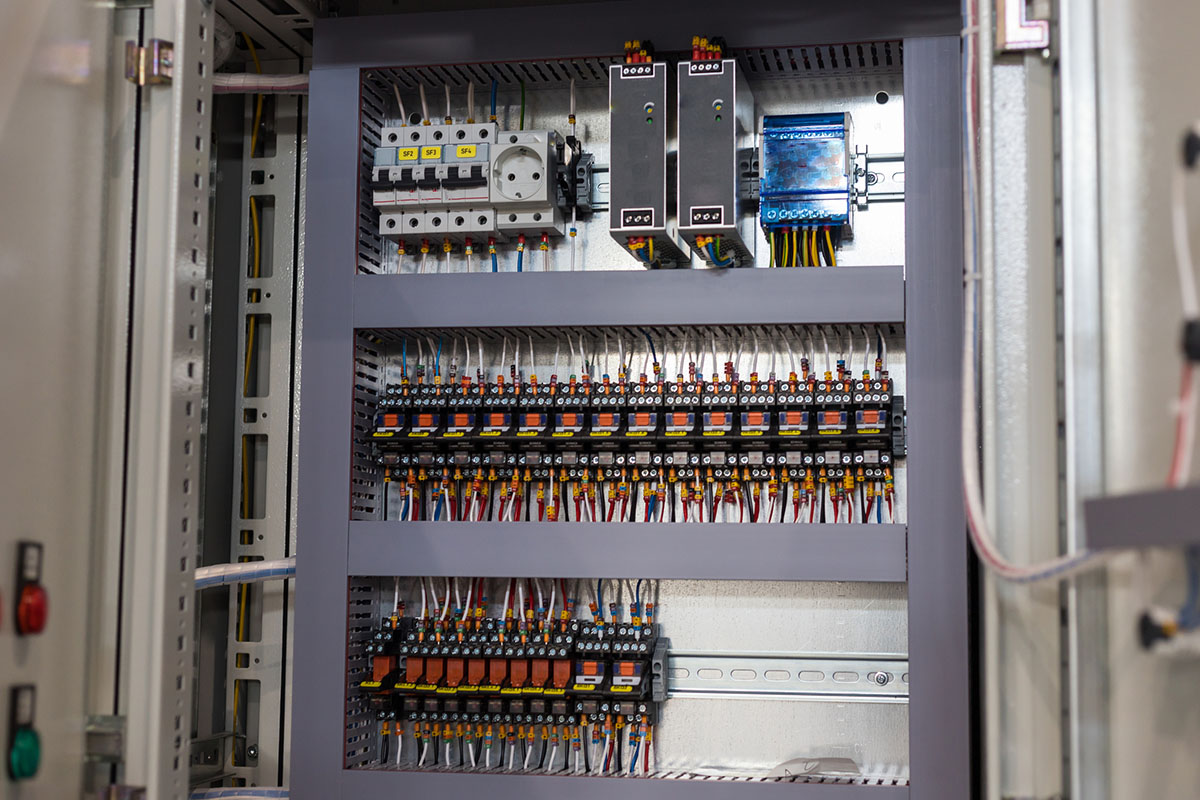
The Fed's October Beige Book found data centre buildouts, power generation and defence driving factory demand, and contacts in two districts said that work is crowding out other production. Plants outside the boom are now competing for the same equipment, metals and electricians.

American manufacturing is having a better autumn than most of the economy. The trouble is that the growth is concentrated. A handful of customer types, chiefly data centre developers, power generators and defence contractors, are taking a rising share of the equipment, metals and skilled labour that every other plant also needs. For a factory that makes packaging, food, consumer goods or components for the housing market, the boom is showing up less as new orders and more as longer quotes, higher prices and a thinner pool of electricians.
The Federal Reserve's October 2026 Beige Book, based on contacts gathered through early October, put manufacturing at the front of an otherwise subdued economy. Robust, broad-based manufacturing growth led the Dallas District, six other Districts reported modest to moderate growth from their manufacturing firms, and the remaining five noted little or no growth. Outside manufacturing, the report said, other sectors showed little growth overall.
The district reports are specific about where that demand comes from. The Cleveland Fed's contacts said momentum was concentrated in data centre buildouts, power generation, and defence and aerospace. Philadelphia contacts said manufacturing growth continues to be driven primarily by data centres, AI and defence-related activity. In the Kansas City District, durable goods makers pointed to military contracts and the data centre buildout as not only strong but as crowding out other production, and the same report noted that the buildout had put pressure on the labour market.
The official output data shows the same split. The Fed's industrial production release for September recorded gains of 1% or more in primary metals, machinery, and electrical equipment, appliances and components, while output of motor vehicles and parts fell 3.0%. Manufacturing output as a whole rose only 0.3% in the month and 1.1% on a year earlier, and manufacturing capacity utilisation sat at 75.9%, 2.3 percentage points below its 1972 to 2025 average. Plants are not short of floor space. They are short of the things the priority customers are buying first.
The clearest example is electrical equipment. A Chicago District equipment distributor told the Fed that technology companies had tried to buy all the available electrical equipment for their data centre developments, and that suppliers had pushed back because of commitments to other projects. Chicago contacts also reported that megaprojects were crowding out capacity for other projects, along with longer lead times for some metals such as copper alloys and difficulty sourcing steel and aluminium components.
Grid equipment shows how long that queue can get. Wood Mackenzie data reported by Reuters in July put lead times for generator step-up transformers above 160 weeks by the first quarter of 2026, against a 2024 average of 143 weeks, while high-voltage circuit breakers climbed to 125 weeks in the second half of 2025 from 77 weeks in 2023. The firm projected that data centres' share of the electrical equipment market could reach 40% under accelerated scenarios, up from just under 2% in 2020, and that transformer costs could rise by roughly 4% to 10% over the following year. A plant planning a new line, a substation upgrade or even a switchgear replacement is now bidding into that same market.
People are the second queue. Nationally, the Beige Book said labour supply was generally adequate but that shortages persisted for specialised, technical and skilled trade workers. Dallas contacts said data centre developers were still struggling to find qualified electricians and technicians, and a large contractor in the San Francisco District said competition from data centre projects had driven up pay for electricians and other skilled trades. In the Kansas City District, manufacturers said they had increased average hours, added overtime and extended shifts because labour was limited, and one put the problem plainly: “It is hard to expand the workforce when they leave faster than you can replace them.”
The Beige Book also described cost pressure that hits plants whether or not they share in the boom. Firms in several Districts expected prices to rise further as existing contracts and hedges expire. Higher diesel prices were the most commonly cited cost driver among Dallas contacts, and Atlanta contacts reported that construction inputs, particularly steel and mechanical equipment, saw more frequent upward price adjustments. Richmond manufacturers reported difficulty finding workers and said they do not expect improvement soon. For a manufacturer outside the priority lanes, the combination is awkward: no surge in its own demand, but higher prices, longer waits and stiffer competition for the people who keep its equipment running.
None of this means the data centre boom is bad news for industry. It does mean that plants outside it should stop assuming suppliers will treat them as they did two years ago, and should plan around the queue rather than join it late.
The October Beige Book describes a manufacturing sector that is growing, but in a narrow channel. Plants inside that channel are adding staff and capacity. Plants outside it are discovering that a boom in someone else's order book can still lengthen their own lead times and raise their own costs. The ones that plan for the queue now will spend less time waiting in it.


Guide
When data centre projects bid away electricians and plants lean on overtime to cover the gap, retention becomes the cheapest capacity a factory can buy. This guide sets out retention, cross-training and productivity strategies that reduce dependence on new hires.
Download

Guide
Equipment makers serving the data centre boom still owe uptime to every plant in their installed base. This guide shows service leaders how to spot the parts and service gaps that surface when capacity is pulled toward the biggest customers.
Download

Guide
With diesel the most cited cost driver among Dallas contacts and energy hedges expiring in several Districts, plants outside the boom need savings they can control. This guide covers how automation helps energy-intensive manufacturers capture fuel and energy efficiencies.
Download