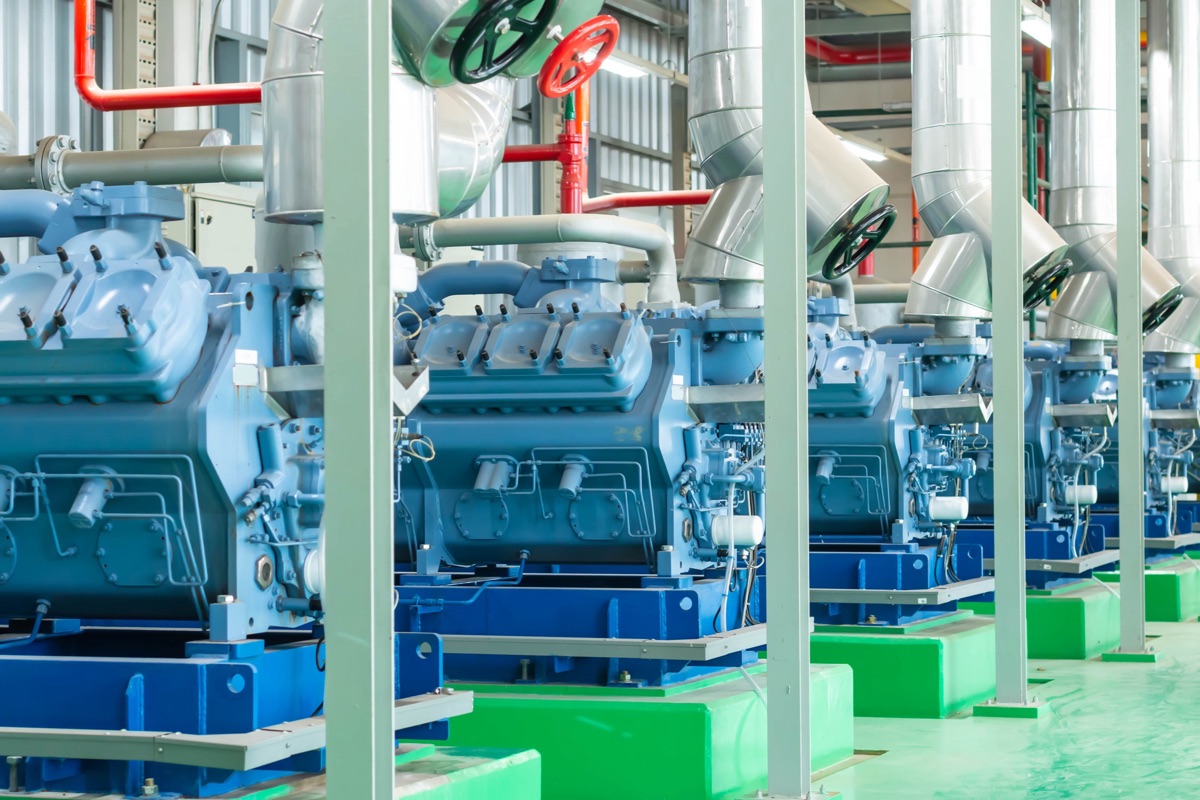
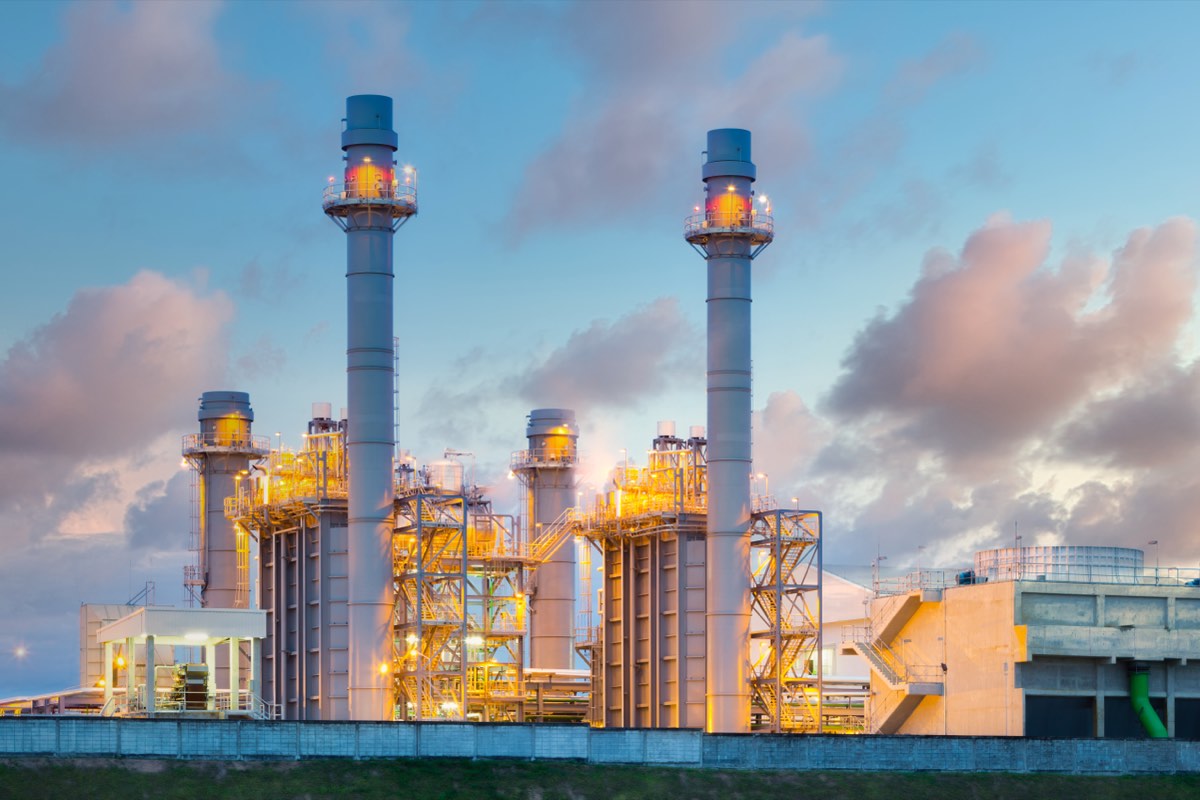
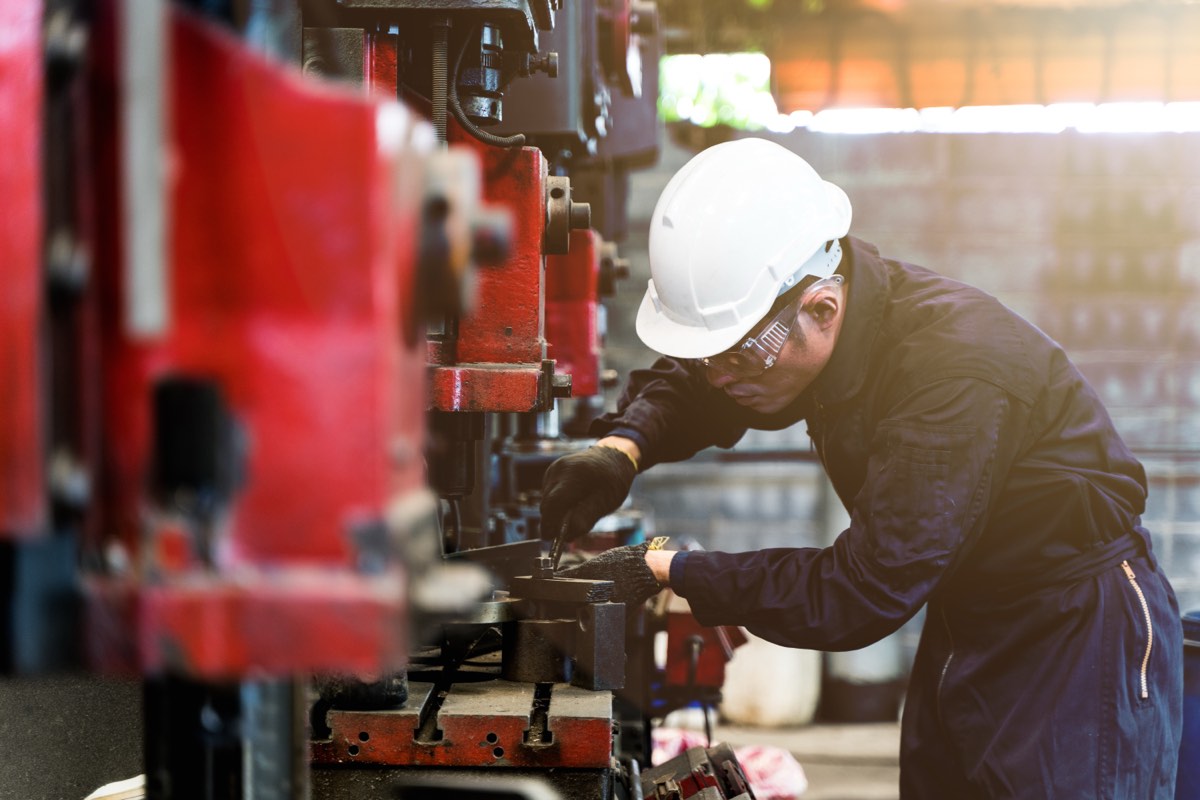
ISM's Prices Index climbed 6.8 points to 77.9 as diesel, steel, aluminium and freight all rose, and on-highway diesel sits $2.63 a gallon above last year. Plants cannot negotiate the commodity markets, but they can still cut the energy, scrap and labour churn they pay for every shift.
Demand is not the problem for American factories this autumn. Orders are rising, backlogs are growing and plants are hiring. The problem is what it costs to fill those orders. Two separate purchasing surveys published in the past week show input prices accelerating again, led by fuel, metals and freight. Most plants have little say over what steel or diesel costs. They have a great deal of say over how much of it they waste, and that is where the margin defence now has to start.
The September ISM Manufacturing PMI report put the headline index at 54.5%, a ninth consecutive month of expansion. Underneath it, the Prices Index jumped 6.8 points to 77.9%, from 71.1% in August, which ISM says means raw material prices have now risen for the 24th straight month. Higher prices were reported by 58.6% of respondents, up 12.4 percentage points on the month.
The list of commodities reported up in price reads like a full bill of materials. Diesel fuel, fuel and oil-based products sit alongside aluminium (up for 34 months running), copper (15 months), steel (11 months), resins (eight months) and freight (seven months), plus semiconductors, memory components, corrugated products and packaging materials. Among negative comments from the panel, ISM chair Susan Spence said pricing volatility was mentioned in 46 percent, tariffs in 34 percent, the Iran war in 30 percent and increasing lead times in 21 percent. One machinery respondent summed up the mechanism plainly: "Higher steel costs each month increase our raw-material and finished-goods costs."
S&P Global's separate survey points the same way. Its final US Manufacturing PMI rose to 55.9 from 53.9, the highest reading since May 2022, and, as reported by the National Association of Manufacturers, input prices "increased at a steeper rate due to tariffs, higher energy prices and supply shortages." The same release noted that optimism was supported in part by "hope for a drop in energy prices," which is a hope, not a plan.
Energy stands out because it touches every line of the profit and loss account at once. The Energy Information Administration's weekly survey put US on-highway diesel at $6.382 a gallon on September 28. That was down 14.7 cents on the week, after $6.529 on September 21, but it was still $2.628 above the $3.754 recorded a year earlier. For a plant, diesel is not one cost. It is inbound freight, outbound delivery, yard equipment, backup generation and the surcharge every supplier now adds to an invoice.
A plant can pass some of that on. ISM's panel reported customers' inventories at 41.6%, still in "too low" territory, and backlogs rose 4.6 points to 56.4%, so many manufacturers hold more pricing power than they did a year ago. But price rises take time to negotiate, contracts lag the market, and a customer that accepts one increase will resist the next. Every unit of energy or material that a plant stops wasting is a saving that needs no customer's approval.
The surveys also show plants adding people quickly. ISM's Employment Index rose 1.5 points to 52.7%. S&P Global reported staffing growth at its fastest rate in more than five years, and backlogs rising for a seventh consecutive month, which it attributed to delivery delays and worker availability. S&P's flash release a week earlier, also reported by the NAM, linked worsening price pressures to "higher fuel and transportation costs, alongside some mentions of wage pressures."
Hiring into a tight market is expensive, and losing a trained operator after six weeks is more expensive still. When wages join the list of rising inputs, retention and cross-training stop being HR topics and become cost control. A plant that keeps its people avoids paying twice for the same capability.
The evidence that plants can claw back energy cost is substantial. More than 315 organisations in the Department of Energy's Better Plants programme, representing 14% of the US manufacturing footprint, have saved energy equivalent to more than $15.2 billion. Partners pledge to cut energy intensity across their US manufacturing operations by 25% over ten years. Savings on that scale tend to come from unglamorous work such as metering, fixing compressed air leaks, tuning process heat and running equipment only when it is producing, and that work pays back fastest when energy prices spike.
Scrap belongs in the same calculation. When aluminium has risen for 34 months and steel for 11, a rejected part carries every one of those increases with it, plus the energy used to make it twice. Quality and energy efficiency are the same lever pulled from two ends.
The order books suggest 2026 can still finish strongly for most manufacturers. Whether that shows up in margin depends less on what the commodity markets do next and more on how much energy, material and labour each plant stops losing along the way.


Guide
With diesel more than $2.60 a gallon above last year, energy is the input a plant can actually shrink. This guide shows how automation helps energy-intensive operations find and capture fuel savings at scale.
Download

Guide
Spare parts priced before steel, aluminium and freight rose are quietly giving margin away. This guide covers how service leaders keep parts pricing competitive and availability high when input costs move.
Download

Guide
Plants are hiring at the fastest pace in five years just as wage pressure joins fuel and metals on the cost list. These five strategies focus on retention and cross-training so a plant does not pay twice for the same skills.
Download