According to the Chemical Safety Board, an inspection contractor told the mill in July 2025 that G Tank was not fit for continued service without repairs. New lawsuits filed by victims' families put the gap between an inspection report and an operating decision at the centre of the case.
Most industrial disasters raise the question of what nobody knew. The early record from Longview, Washington, raises a harder one. According to the federal Chemical Safety Board, the people responsible for the tank that failed on May 26 had been told, in writing and more than once, that its walls were too thin. The open question for every plant with a contractor inspection programme is not whether its inspectors would have found the problem. It is what happens to a finding after the inspector leaves the site.
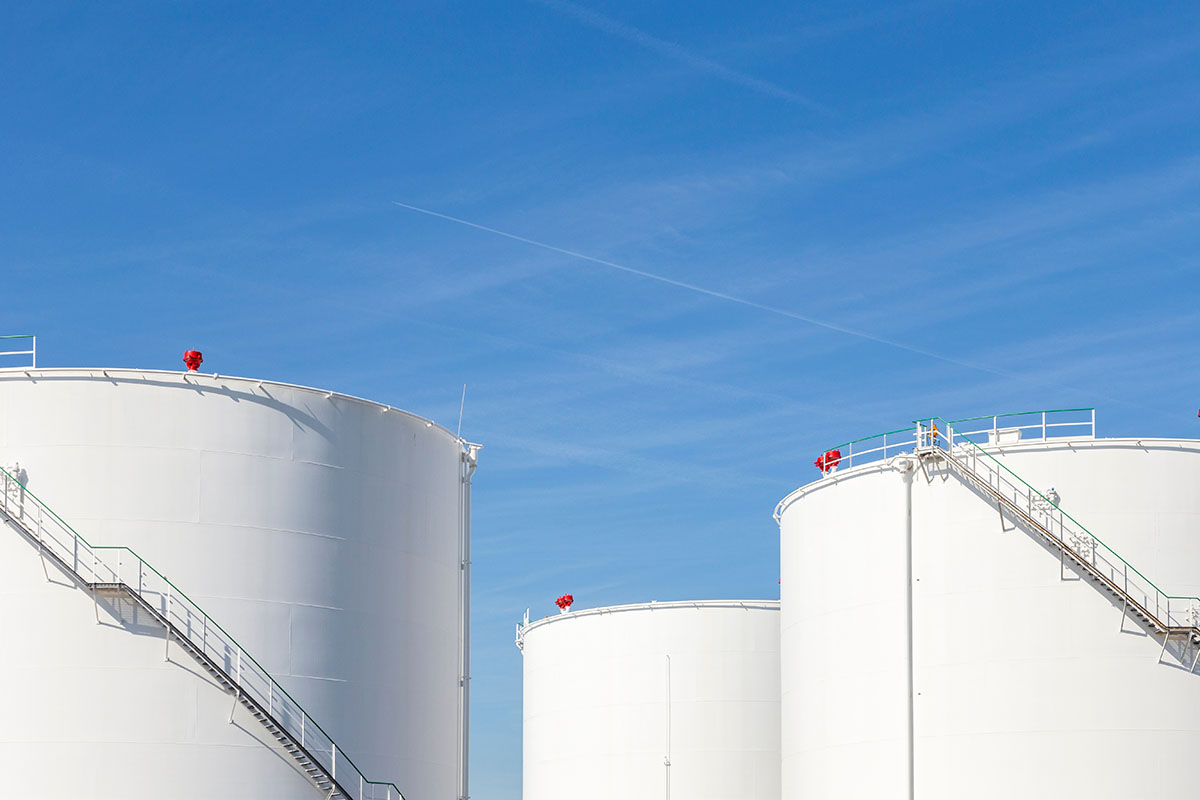
The CSB's investigation page records the basic facts: a tank failure at Nippon Dynawave Packaging Company's Longview mill on May 26, 2026, 11 workers killed, several others seriously injured, and an investigation opened the next day that remains open. The board's initial update in late August set out the inspection history. As KATU reported, a contractor hired by the company inspected the 1.2 million gallon G Tank in July 2025 and found significant wall thinning, including areas below the minimum safe thickness. It recommended an internal inspection and repairs to the first three shell sections, and its report said the tank was "not fit for continued service" without those repairs.
External inspections in October 2025 and February 2026 showed similar results. The CSB said the company did not internally inspect the tank, make the repairs or take it out of service. On the morning of May 26, a process upset at 1:55 a.m. slowed and then stopped the flow of white liquor into the digester, but liquor kept flowing into the tank at a reduced rate. By 6:22 a.m. it was about 90% full, and at 7:09 a.m. it failed, releasing roughly 900,000 gallons. KATU also reported that the emergency call did not mention the release, and that one responder entered the liquid believing it was water and suffered serious chemical burns.
Nippon Dynawave disputes how the update presented events. In a statement reported by KATU, the company said the update "failed to include important facts and context regarding actions taken by NDP" and stressed that the CSB process can take up to two years. The board has not determined the mechanism of the failure, and nothing here should be read as a finding of cause. What the public record does show is a sequence that every operations leader will recognise: a finding, two confirmations, and a decision that, on the CSB's account, never arrived.
On October 26, MyNorthwest reported that the families of two men who died are suing, alleging the company ignored repeated warnings that the tank could fail. Weyerhaeuser, the mill's former owner, is also named and says it has not owned or managed the facility for more than 10 years. An earlier wrongful death suit, filed in September, claims the company had a "policy" of running equipment until failure. A Nippon Dynawave spokesperson said the company is aware of the complaints and is "unable to comment on active litigation." The same report describes how the liquor, at roughly 200°F, flooded a courtyard and nearby buildings where employees had gathered for a morning meeting.
Those claims are untested. But the shape of them is a warning for any plant that relies on outside inspectors, which is most of them. The contractor in this account did what it was hired to do. It measured the shell, compared it to the limit and wrote down a recommendation in plain language. If the CSB's version holds, the failure sat on the owner's side of the line: in how a contractor's report becomes a work order, a budget line, an operating limit or a decision to stop. That handover is rarely written into a contractor programme, which usually concentrates on whether contractors are qualified and safe on site rather than on what the site does with their output.
The CSB has been pressing on contractor safety for months. At its March 19 public meeting, board member Sylvia Johnson said, as Safety+Health reported, that "Safety can't depend on a badge color or payroll category." The same report cites 609 accidental release reports to the board between March 2020 and February 2026, 92 of which, or 15.1%, involved fatalities. And the sector is not a low-risk one to begin with: Manufacturing Dive, citing Bureau of Labor Statistics data, reports that pulp, paper and paperboard mills recorded 2.5 recordable cases per 100 full-time workers in 2024, above the national average of 2.3, and six fatalities, up from four in 2023.
Most plants would say they already act on inspection reports. The test is whether they can prove it for every open finding at once: who received it, what risk ranking it was given, what the deadline is, what interim limit applies while it is open, and who has the authority to keep the asset running past that deadline. A report filed as a PDF in a shared folder passes none of those tests. Nor does a finding that is reinspected and reconfirmed without anything changing in the way the asset is run.
The Longview timeline also shows why "fit for service" cannot be treated as a maintenance matter alone. The CSB's sequence has a tank already flagged as thin taking on liquor for hours after a process upset. Whether or not that turns out to be causal, it illustrates a gap many plants share: the operators managing a level on a shift have no line of sight to an integrity finding sitting in an engineering file. A finding that changes what an asset can safely do has to reach the people who run it.


Report
Longview shows that a contractor programme can work on paper and still fail if nobody acts on what contractors report, and this report puts numbers on the incident, penalty and reputational costs that follow when contractor risk management falls short.
Download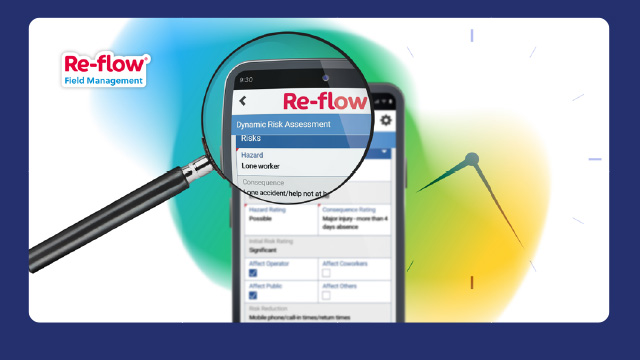

Guide
Three inspections of G Tank produced three reports, and the question investigators are now asking is what each one triggered. This guide covers how a timestamped digital record shows who received a field finding and what was done about it.
Download

Guide
An integrity finding that never reaches the operators running a tank's level on shift cannot change how they run it, and these nine steps focus on getting critical information across shifts and down to the floor without waiting for new systems.
Download