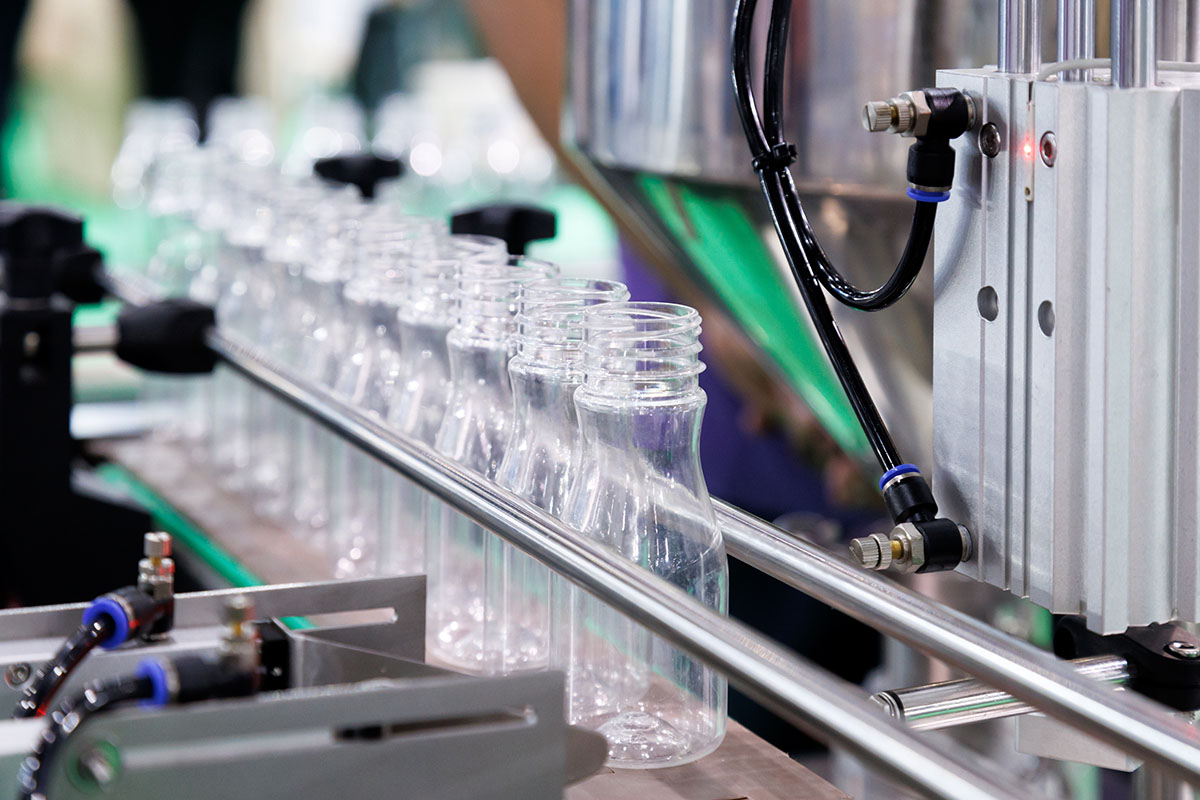
ISM's Production Index reached 59.0 in October, its highest reading since November 2021. In the same report, supplier deliveries slowed for an 11th straight month and electrical components stayed on the shortage list for a 16th. Plants are running their equipment harder just as the parts that keep it running get harder to replace.
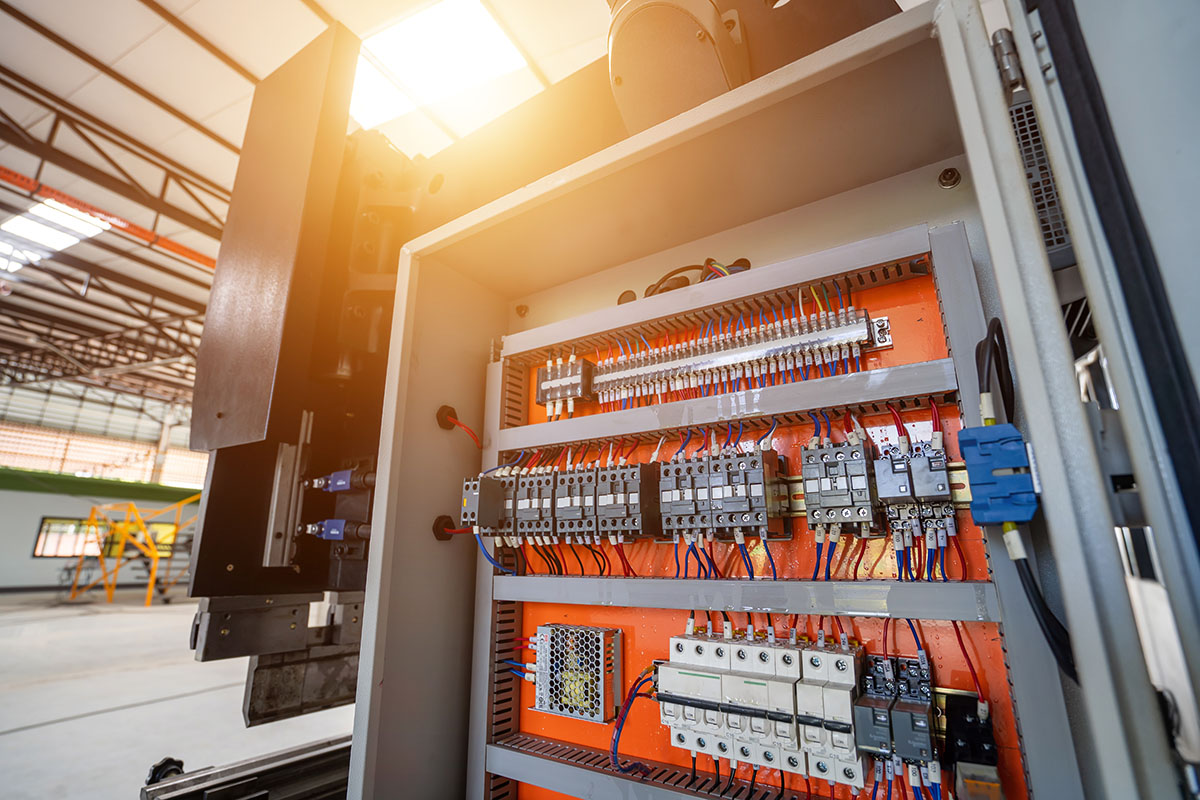
October gave American factories their busiest month in four years. Output rose, orders held up and inventories began to rebuild. Yet the same survey that recorded the surge also recorded an 11th month of slower deliveries and a 16th month in which buyers could not get enough electrical components. For plant and maintenance leaders the combination matters more than either number on its own: equipment is running harder than it has since 2021, and the contactors, drives and circuit boards needed to repair it are among the hardest items on the market to source.
The Institute for Supply Management's October Manufacturing PMI report, released on November 2, put the headline index at 55.5, up a full point from 54.5 in September and the tenth consecutive month of expansion. Twelve of the 18 manufacturing industries ISM tracks reported growth. The Production Index did most of the lifting, rising 2.3 points to 59.0 for its 12th month of growth and its highest level since November 2021.
Demand underneath that output looks durable. New Orders edged up to 55.5, and Customers' Inventories held at 41.6, which ISM classes as "too low" for a 25th consecutive month. Customers are not sitting on stock, so orders are flowing straight to the line. TD Economics noted that slower backlog growth, with the Backlog of Orders Index easing to 54.6 from 56.4, still points to a pipeline that should support near-term output.
Not everyone in the survey is celebrating. ISM's Susan Spence said that "general sentiment got worse for a third month in a row," and a transportation equipment respondent described customers as still in "wait-and-see mode." The output is real, but it is being produced in a cautious mood, which makes plants reluctant to commit to large capital purchases while asking their existing assets to do more.
The supply side of the report tells a less comfortable story. The Supplier Deliveries Index read 59.1, slightly above September's 59.0, which in ISM's methodology means deliveries slowed again and at a marginally faster rate. It was the 11th straight month of slower deliveries. Manufacturers' own inventories rose 2.8 points to 51.4, returning to growth after contracting in September, which TD described as the largest monthly move in the index. Plants are buying ahead because they no longer trust the delivery dates.
ISM's commodity lists show where that distrust comes from. Electrical components have been reported in short supply for 16 consecutive months and electronic components for 20. Memory, integrated circuits, printed circuit boards, copper, aluminium products and steel were also on October's shortage list. One machinery respondent described lead times that once ran to four weeks now stretching to "50 weeks." A miscellaneous manufacturing respondent said that "any commodity consumed by AI/data centers is in a crunch, both for supply and pricing."
That second comment matters for maintenance as much as for production. The parts that data centre construction is absorbing, from copper and switchgear to semiconductors and memory, are the same parts that sit inside drives, PLCs, HMIs and motor control centres on the plant floor. In January, POWER magazine reported Wood Mackenzie survey data putting average switchgear lead times at about 44 weeks and power transformers at about 128 weeks, with circuit breaker prices up 47% since 2021 and medium-voltage switchgear up 50%. Not everyone accepts the shortage framing: one electrical contractor quoted by POWER argued that procurement rules, not factory capacity, are the real bottleneck. Either way, a plant that waits for a failure before ordering a replacement will wait a long time.
The Prices Index fell 2.7 points to 75.2, which TD called a "welcome counterpoint" to the stronger activity, while cautioning that the reading remains elevated and supplier delays persist. It was still the 25th consecutive month of rising input costs. Diesel, fuel, freight, energy and oil-based products were all on the list of commodities up in price. A food, beverage and tobacco respondent said that diesel rates and the trucker shortage were pushing costs "to levels I have never seen." For a plant running at a four-year production high, every extra shift now costs more to power and more to ship.
Put together, the October data describes a specific operational risk. Equipment is working at the highest rate in four years, which accelerates wear on bearings, contactors, drives and controls. The replacements for many of those components are on long or uncertain lead times. And the cost of running the extra hours is still climbing. A single failed control component on a constraint line can now cost weeks of output rather than hours.
The plants that convert October's demand into delivered product will treat spares and equipment condition as a production constraint, not a storeroom afterthought.
October's numbers are good news for order books. They are also a warning that the equipment producing those orders is being asked to do more while the supply chain behind it does less. The plants that plan for the next failure now will be the ones still shipping when it comes.


Guide
With output at its highest since 2021 and electrical parts short for 16 months, equipment makers face exactly the demand spike that exposes parts availability gaps. This guide explains how service teams can see those gaps coming and close them before customers wait.
Download

Guide
When equipment runs at a four-year high and replacement controls sit on long lead times, spotting wear before it becomes a failure is worth weeks of output. This guide sets out the capabilities a modern SCADA platform needs to give teams that early view.
Download

Guide
Diesel, fuel and energy all sat on ISM's rising-price list in October, so every extra shift at a four-year output high costs more to run. This guide shows how automation helps plants find where fuel and energy are being wasted.
Download