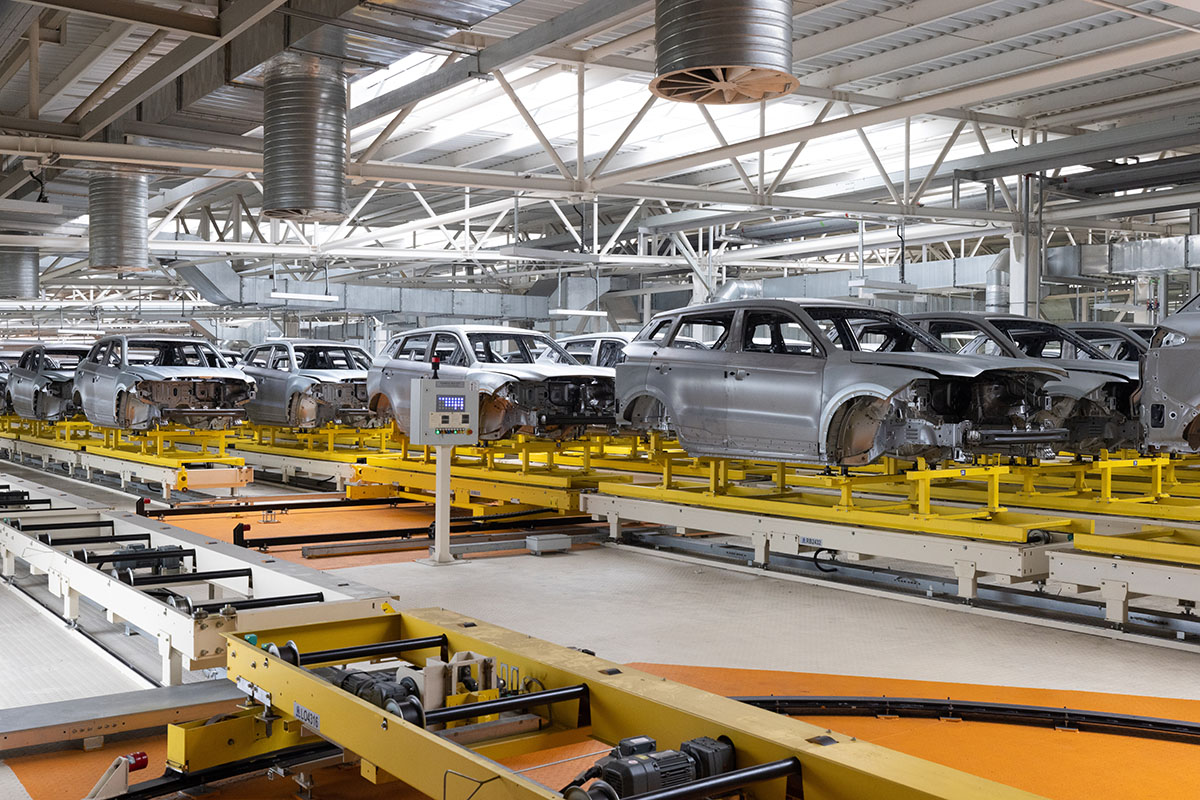
Eighty percent of executives in a new survey of 511 US manufacturing professionals say their data is integrated. Only 33% of the shop floor agrees, and the hours lost to that gap never reach the executive dashboard.
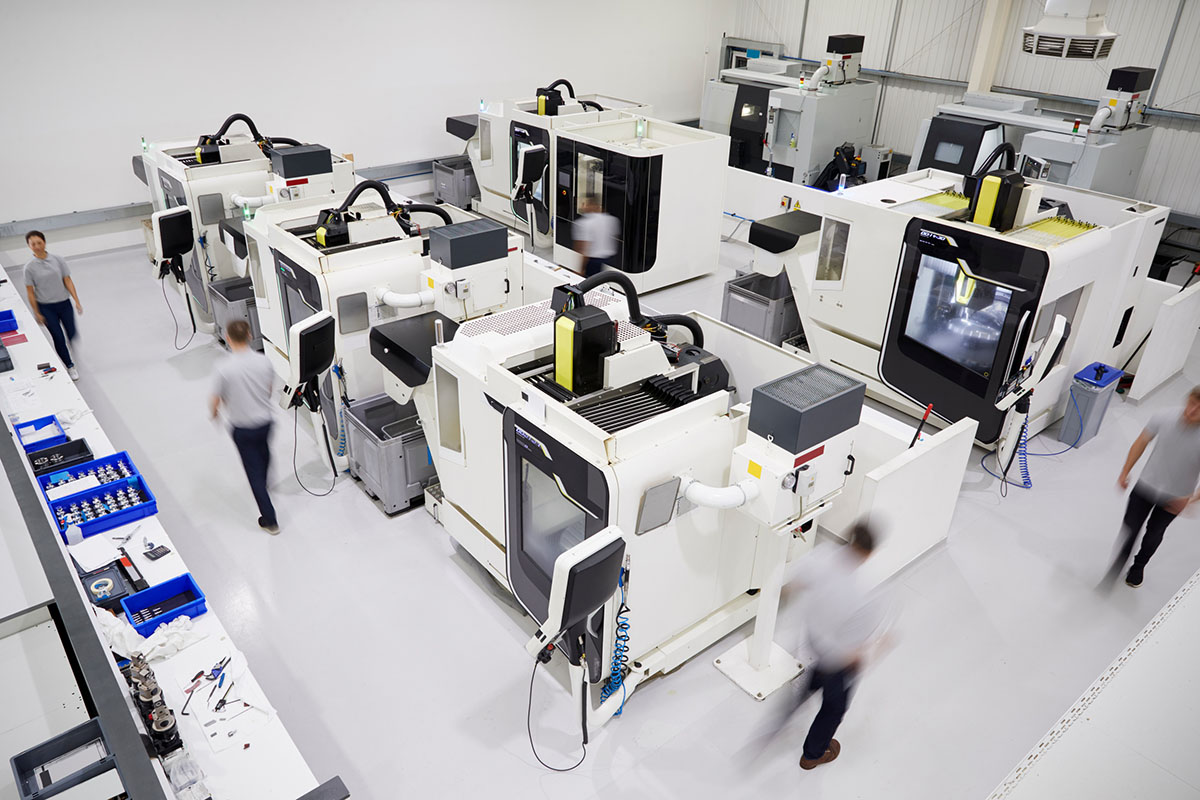
Ask a plant executive and a machine operator to describe the same factory and, according to new survey data, you may hear about two different buildings. The executive's version is integrated, resilient and partly running itself. The operator's is held together by spreadsheets, inspection queues and workarounds. Neither is necessarily wrong. They are standing in different places, and decisions about automation and AI are increasingly being made from the more optimistic view.
Hexagon's 2026 America's State of Manufacturing report surveyed 511 people working in US manufacturing, from entry-level workers to the C-suite, and asked every one of them the same questions about how ready, connected and automated their factories are. The answers split by rank. Eighty percent of executives said their data is integrated, against 33% of the shop floor. Confidence in adapting to a major disruption fell from 91% in the executive suite to 62% among entry-level workers.
The lights-out finding is the starkest. According to coverage of the report, which Dynata fielded in July, 31% of executives said their plant already runs lights-out somewhere in the operation, while only 10% of their own senior managers said the same. These are people in the same companies, often reporting to one another, looking at the same production lines.
Hexagon sells metrology and manufacturing software, so it has a commercial interest in finding disconnected data. But the questions were identical for every respondent, and the split is the respondents' own. Steve Ilmrud, Hexagon's vice president of operations for North America in its stationary metrology division, put the core problem plainly: "connected and integrated are two different things."
The headline numbers show where the optimism comes from. Seventy-seven percent of respondents describe their operations as fully or mostly connected, yet only 40% report connectivity across design, production, quality and business systems. Sixty-seven percent lack a single view combining data from most of their systems, and 39% report thin information flow between design, manufacturing and quality teams.
From the top floor, a plant with sensors on its machines and a dashboard in the conference room looks connected. From the shop floor, the same plant may still require someone to carry parts to a lab, wait for a report and re-key the results. Sixty-seven percent of respondents lose six or more hours a week to measurement and inspection bottlenecks, and 35% lose 11 hours or more. Forty-two percent say they catch quality problems too late to act on them efficiently, and 43% say rework disrupts production schedules.
Those are not abstract integration scores. They are hours of every shift, and scrap, that rarely appear on an executive dashboard, because the dashboard is fed by the systems that are connected rather than the ones that are not.
Other research points the same way. In SafetyCulture's Feedback from the Field report, 88% of US frontline workers reported frustration in their roles. Forty-four percent named unrealistic expectations from leadership as a top frustration, 35% pointed to slow responses to risks and operational problems, and 24% cited inadequate tools or outdated systems. Twenty-seven percent said they feel pressure to cut corners to save time or reduce costs.
Korn Ferry's third annual survey of more than 1,100 industrial professionals found that fewer than half say they are encouraged to try new ideas and technologies, and half do not think they are getting the training they need to build AI and automation skills. Dave Rossi, president of Korn Ferry's global industrial market, argued that change lands when "people feel that the change is being done with them and not to them."
The pressure to move is real. In a separate cut of the Hexagon data reported by Control Global, only 24% of manufacturers believe they are ahead of competitors, 46% say they are keeping pace and 30% are behind or have not started, while 85% report at least one barrier to accelerating AI and automation. A leadership team that believes its data is already integrated will assume the barrier is budget or vendor choice. If the shop floor is right, the barrier is the plumbing underneath.
The answer is not to decide which group is right. It is to stop relying on self-reporting at either end of the organisation and measure the plant directly.
A plant does not become integrated because its executives believe it is. The 47-point gap in Hexagon's data is a free diagnostic: the people closest to the work are already saying where the connections stop. Leaders who go and look before they invest will spend their automation budget on the factory they actually have.


Guide
When only a third of the shop floor believes plant data is integrated, the quickest gain is getting information to the people on shift. This guide lists nine steps managers can take without waiting for a major technology investment.
Download

Guide
Only 40% of manufacturers are connected across design, production, quality and business systems, and 67% lack a single view of their data. This guide sets out what separates a modern SCADA platform from legacy systems when operational visibility is the goal.
Download

Guide
With 42% of manufacturers catching quality problems too late and 43% saying rework disrupts schedules, the perception gap shows up as scrap. This guide covers the AI applications improving quality and cutting waste on production lines today.
Download