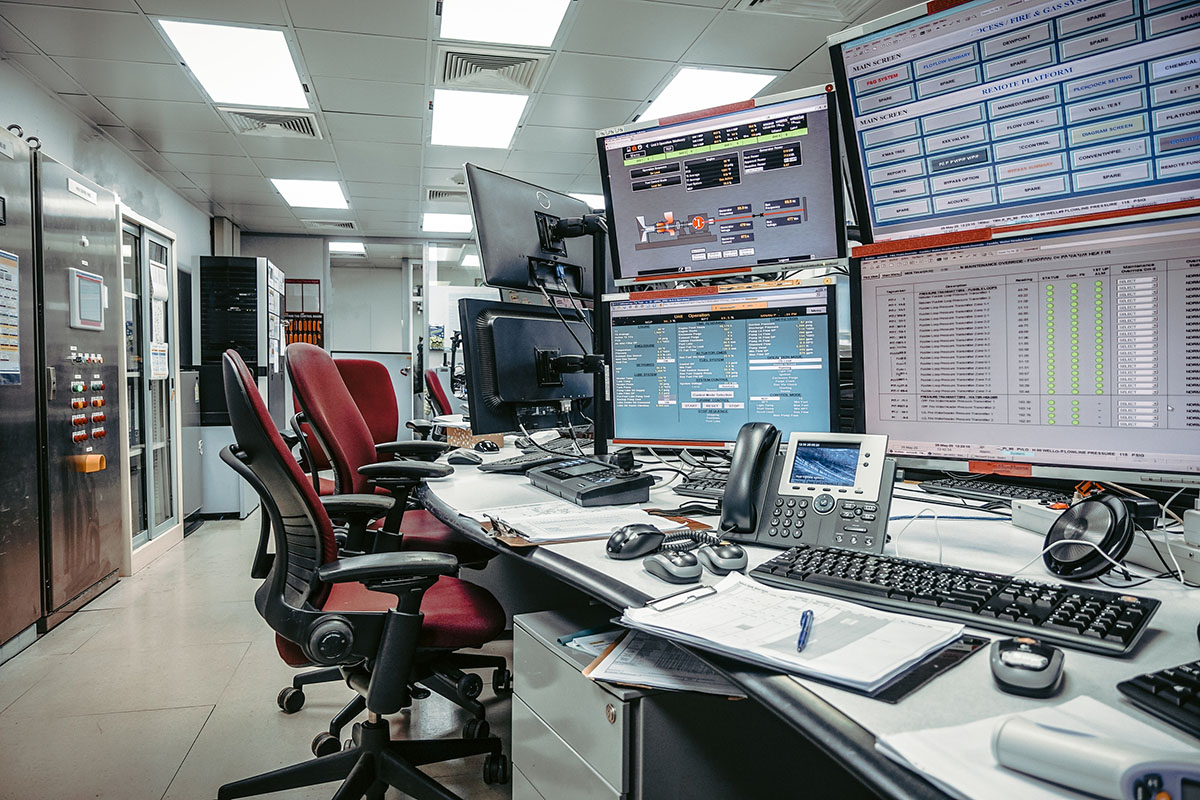
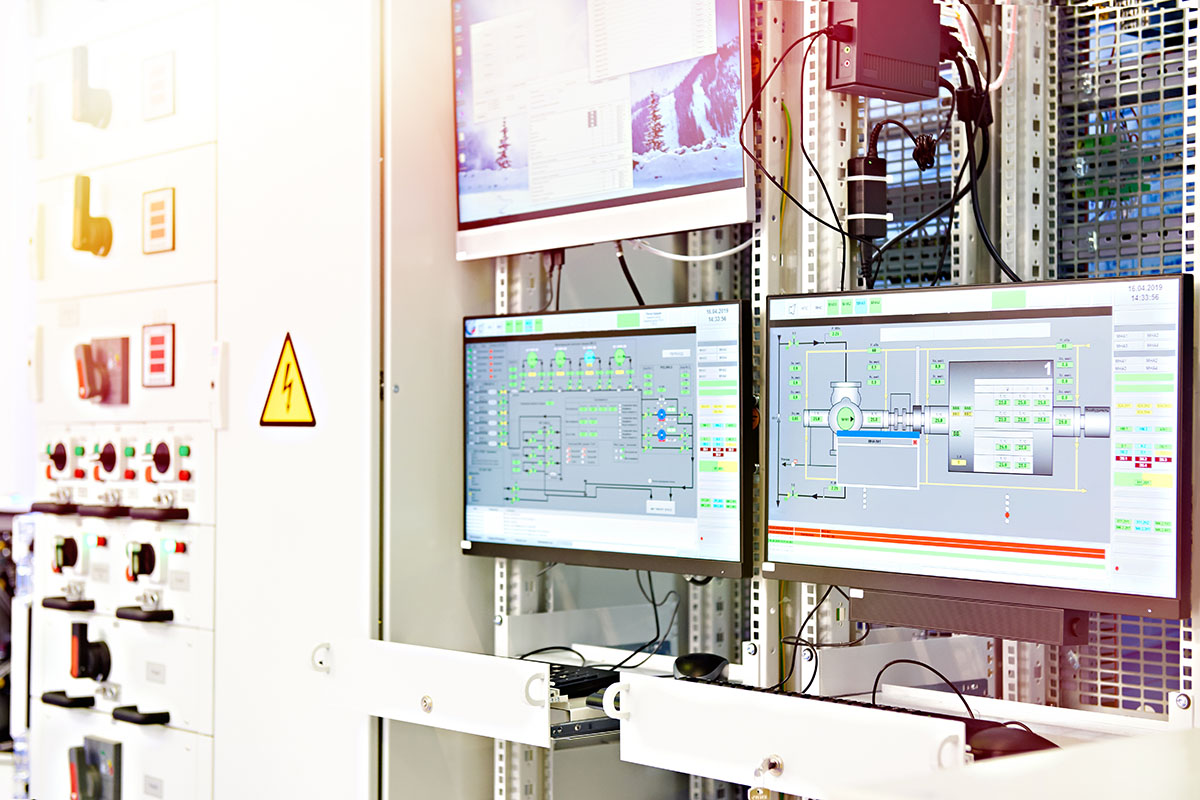
Deloitte and the Manufacturing Institute expect technician jobs to grow six times faster than production roles to 2030, with 2.3 million openings to fill. Field service data suggests the sharper constraint is how unevenly expert knowledge is spread across the technicians already employed.
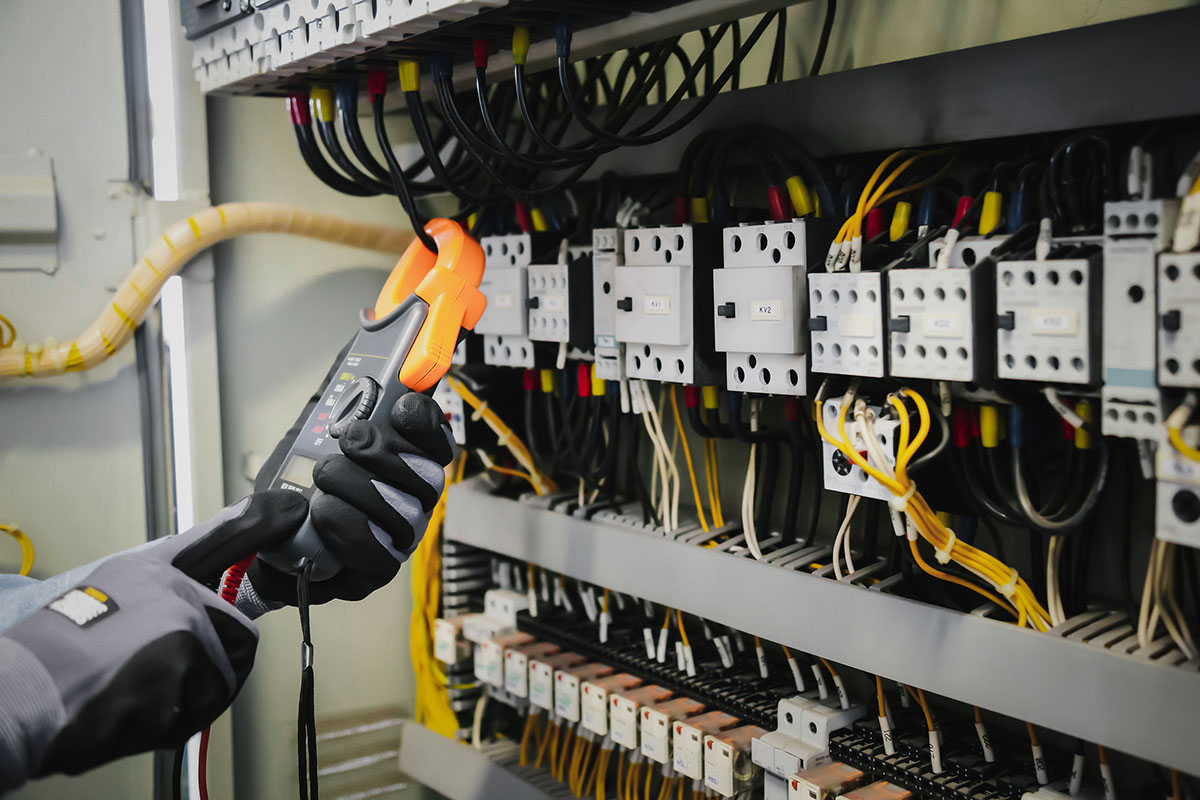
Most plants describe their technician problem as a hiring problem: too few applicants, too many retirements, too long to bring a new starter up to speed. Two pieces of research published this year suggest the hiring gap is real but only half the story. The other half sits inside the maintenance teams plants already have, where the difference between the best technician on a shift and the rest of the crew is costing more than most operations leaders have measured.
A study released on September 10 by Deloitte and the Manufacturing Institute, the workforce affiliate of the National Association of Manufacturers, projects that manufacturing technician employment could grow six times faster than employment in production occupations between 2025 and 2030. Across manufacturing and adjacent-industry technician roles, employers may need to fill 2.3 million openings in that period, a figure that includes replacement demand from retirements and other exits as well as growth. Nearly half a million manufacturing technician roles are open now.
The full Deloitte Insights analysis shows how far the shift has already run. More than 4.5 million people worked in manufacturing and adjacent technician occupations in 2025, and employment of industrial machinery mechanics in manufacturing rose 47% between 2010 and 2025. The more a plant automates, the more of its labour moves from running equipment to keeping it running.
The study's proposed answer is to widen the pool. It identifies nearly 2 million technicians in adjacent industries whose skills may transfer, and finds that more than two-thirds of them work in construction, retail trade, other services, wholesale trade and government. Its central argument is that AI embedded in everyday workflows could deliver the plant-specific knowledge, skills and guidance those recruits lack, so that a capable electrician from a building services firm becomes productive on a packaging line faster than traditional training allows.
Bringing in more people only helps if the knowledge they need can reach them. Aquant's 2026 Field Service KPI Benchmark Report, built from anonymised data on nearly 30 million service events, 7 million assets and $8.3 billion of service costs across 161 service organisations over three years, shows what happens when it does not.
The industry first-time-fix rate sits at 77%. Top performers reach 88% and bottom performers 60%. Median time to resolution is 4.5 days, against 2.5 days at the top and 10 days at the bottom. Failed visits, the return trips and repeat call-outs that follow a fix that did not hold, account for 25% of total service cost at the median, 14% at the best organisations and 44% at the worst.
The most telling number is the skills gap, which Aquant defines as the difference in first-time-fix rate between an organisation's top technicians and everyone else. In best-in-class teams it is 2.9 percentage points. In underperforming teams it is 10 points. In other words, the strongest organisations do not simply employ better technicians. They have found ways to make their best people's judgement available to the whole crew, so that the result of a call depends far less on who answered it.
Those teams also keep their people. Aquant found top companies retain 87% of employees, against 66% at underperformers. A technician who keeps getting sent to jobs without the context to finish them is a technician more likely to leave, which deepens the shortage the plant was trying to hire its way out of.
Aquant's data points to where AI-assisted guidance is most likely to pay back. It estimates that one in five cases could be resolved remotely, and that sending a technician when one is not needed raises the cost impact from 1.4% to 18.3%. It puts the potential service cost reduction typically in the low teens, reaching 26% in some segments. Those savings come from triage, diagnosis and fix history reaching the person on the job before they reach for their tools.
Deloitte is careful about the limits. Its analysis cites the firm's 2026 Global Human Capital Trends survey, in which 85% of respondents said building the ability to adapt was important and only 7% said they were making great progress. The study frames AI as one part of a broader investment in skills, trust and workforce partnerships rather than a substitute for them. Funding is following that view: in April, Google.org committed $10 million to the Manufacturing Institute to build AI skills in the manufacturing workforce through its FAME programme.
The practical constraint is the one plants already know. An AI assistant can only spread knowledge that has been captured, and in most maintenance departments the most valuable fixes live in the heads of a few senior technicians, on paper work orders, or in free-text fields nobody has structured.
The technician shortage will not be solved by hiring alone, because the openings are growing faster than any recruiting pipeline. Plants that treat expert knowledge as an asset to be captured and distributed will get more out of the technicians they already employ, and will turn the recruits they can find into productive members of the crew far sooner.

Guide
Closing a 10-point skills gap inside a crew depends on frontline habits and management practice as much as on tools. This guide sets out what a complete connected workforce approach looks like once it is working on the floor.
Download

Guide
When failed visits eat up to 44% of service cost, a missing part can undo a skilled technician as surely as a missing diagnosis. This guide covers the parts availability and pricing surprises that quietly push repeat call-outs up.
Download

Case Study
AI guidance can only spread fixes that were captured in a structured way first. This case study shows how one operator configured its digital job workflows to record field work as usable data rather than free text.
Download